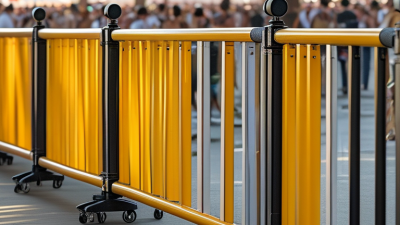
| Warehouses and Distribution Centers |
Forklift impacts, pallet contact, pallet-jack traffic, and repeated abrasion near aisles. |
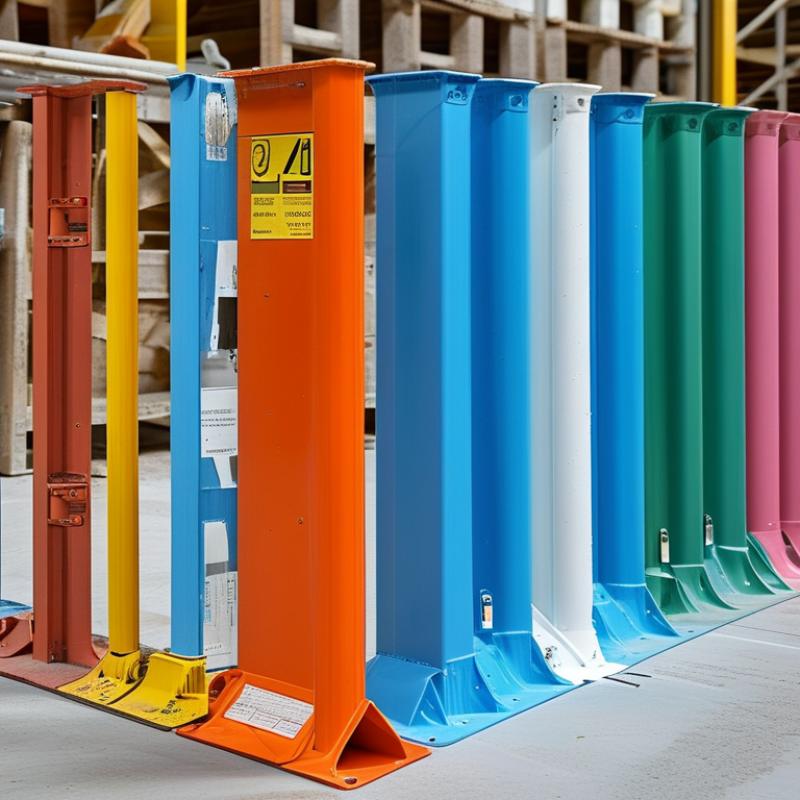
Heavy-duty wraparound column guard or steel-post barrier guard |
High-density polyethylene, recycled polymer, steel, or a polymer-and-steel combination |
900–1,200 mm
(35–47 in) |
10–20 mm for polymer guards; 3–6 mm for steel components |
Very High |
Designed to absorb or deflect repeated vehicle contact while keeping the column perimeter visible. |
Use mechanical anchors suitable for the floor or column structure. Maintain clearance from forklift turning paths and rack uprights. |
Inspect after every significant impact. Replace cracked, severely deformed, or loose sections. |
| Manufacturing Plants |
Powered industrial trucks, carts, moving equipment, metal parts, oils, and production traffic. |
Modular impact guard with replaceable outer sections |
High-density polyethylene, polyurethane, steel, or stainless steel where corrosion is present |
600–1,200 mm
(24–47 in) |
8–15 mm for polymer sections; 3–6 mm for steel sections |
Very High |
Modular construction allows damaged panels or cushioning elements to be replaced without removing the full system. |
Confirm compatibility with oils, coolants, welding areas, heat sources, and chemical-cleaning procedures. |
Remove oil and metal debris regularly. Check fasteners, seams, and protective coatings during scheduled safety inspections. |
| Hospitals and Healthcare Facilities |
Bed and trolley impacts, wheelchair traffic, narrow corridors, and frequent cleaning. |
Low-profile hygienic column corner guard with smooth surfaces |
Medical-grade PVC, polyurethane, stainless steel, or coated aluminum |
300–900 mm
(12–35 in) |
2–6 mm for rigid surface guards; 6–12 mm for cushioned profiles |
Moderate |
Prioritizes cleanability, rounded edges, low protrusion, and compatibility with corridor traffic. |
Use concealed or sealed fixings where possible. Avoid open cavities, sharp edges, and joints that can collect soil. |
Clean with approved detergents and disinfectants. Check for damaged seals, lifted edges, and surface cracks. |
| Food Processing and Cold-Storage Facilities |
Moisture, washdown, temperature changes, pallet movement, and hygiene-sensitive operations. |
Washdown-resistant hygienic guard with sealed edges |
Stainless steel, food-contact-suitable polymer, or corrosion-resistant composite materials |
600–1,200 mm
(24–47 in) |
3–8 mm for metal guards; 8–15 mm for polymer guards |
High |
Non-absorbent, corrosion-resistant surfaces and sealed joints help support regular washdown procedures. |
Use corrosion-resistant fixings and avoid unsealed penetrations where water can enter the column or wall assembly. |
Rinse and sanitize according to the facility procedure. Inspect for corrosion, seal failure, and trapped moisture. |
| Parking Garages and Vehicle Ramps |
Vehicle turning impacts, bumper contact, poor visibility, moisture, road salt, and exhaust exposure. |
High-visibility column guard or steel barrier with reflective markings |
Galvanized steel, stainless steel, impact-resistant polymer, or reinforced concrete-compatible systems |
600–1,200 mm
(24–47 in) |
6–12 mm for polymer guards; 4–8 mm for steel guards |
High |
Visible colors, reflective strips, rounded profiles, and resistance to moisture are valuable in low-light driving areas. |
Anchor to the structural floor or approved substrate. Keep the guard outside vehicle clearance envelopes and pedestrian routes. |
Wash periodically and replace faded reflective markings. Check for corrosion, anchor movement, and impact deformation. |
| Office Buildings and Commercial Interiors |
Hand carts, furniture movement, cleaning equipment, and occasional pedestrian contact. |
Decorative low-profile corner guard or slim column wrap |
Aluminum, stainless steel, PVC, polyurethane, wood-look laminate, or painted metal |
300–900 mm
(12–35 in) |
1.5–4 mm for rigid decorative guards; 4–8 mm for cushioned profiles |
Low to Moderate |
Balances impact protection with interior appearance, compact dimensions, and easy replacement. |
Match the fixing method to drywall, masonry, concrete, or finished wall systems. Use color and texture compatible with the interior design. |
Dust and wipe clean. Repair scratches or loose edges before they become trip or snag hazards. |
| Schools, Universities, and Public Buildings |
High pedestrian flow, wheeled carts, sports equipment, furniture movement, and vandalism. |
Rounded, tamper-resistant corner guard with visible finish |
Heavy-duty PVC, polyurethane, stainless steel, aluminum, or impact-resistant composite |
600–1,200 mm
(24–47 in) |
3–8 mm for rigid guards; 6–12 mm for cushioned guards |
Moderate |
Rounded edges, secure fixings, easy cleaning, and strong visual contrast help support safety in busy public areas. |
Use concealed or tamper-resistant fasteners in accessible areas. Confirm that the profile does not reduce corridor width. |
Clean routinely and inspect high-contact zones for loosening, sharp edges, graffiti, or surface damage. |
| Hotels, Restaurants, and Retail Interiors |
Luggage carts, delivery trolleys, shopping carts, service traffic, and appearance-related damage. |
Architectural column guard with integrated decorative finish |
Stainless steel, aluminum, PVC, polyurethane, engineered stone-look panels, or laminated surfaces |
300–900 mm
(12–35 in) |
2–6 mm for surface guards; 6–10 mm for cushioned profiles |
Low to Moderate |
Provides practical protection while matching decorative wall, floor, and furniture finishes. |
Coordinate the guard with cleaning access, skirting details, fire exits, and door or trolley clearance. |
Use non-abrasive cleaning products. Replace visibly damaged panels to maintain the appearance of guest-facing areas. |
| Transportation Hubs and Logistics Terminals |
Luggage trolleys, baggage carts, pallet equipment, crowd movement, and continuous operational traffic. |
High-capacity modular guard with high-visibility finish |
Steel, stainless steel, high-density polyethylene, polyurethane, or reinforced composite materials |
600–1,500 mm
(24–59 in) |
8–20 mm for polymer guards; 4–8 mm for steel components |
High |
Combines impact resistance, visibility, modular repair, and compatibility with demanding public-use areas. |
Coordinate with accessibility routes, emergency egress, cleaning equipment, and vehicle or cart operating zones. |
Use frequent visual inspections. Repair damaged modules quickly in high-traffic and security-sensitive areas. |
| Outdoor Utility and Infrastructure Sites |
Weather exposure, maintenance vehicles, tools, ultraviolet radiation, water, and temperature variation. |
Weather-resistant column or post guard with corrosion-protected hardware |
Galvanized steel, stainless steel, UV-stabilized polymer, or reinforced concrete-compatible systems |
600–1,200 mm
(24–47 in) |
8–15 mm for polymer guards; 4–8 mm for steel guards |
High |
Suitable for outdoor exposure when the material, coating, drainage, and fasteners are selected for the local climate. |
Provide drainage where water could collect. Select anchors and finishes according to soil, moisture, salt, and freeze-thaw conditions. |
Inspect coatings, corrosion, UV degradation, anchors, and ground contact points at least seasonally. |