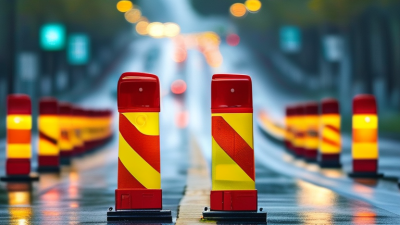
Lane separator curbs help organize traffic where painted lines alone may be ignored. These raised barriers create a visible boundary between moving lanes, cycle tracks, parking areas, and pedestrian spaces. Drivers can see them earlier, especially near intersections, curves, and busy commercial streets. Their physical presence also discourages sudden lane changes and careless parking.
On a typical road, a curb may guide vehicles through a narrow turn while protecting people waiting nearby. Reflective markings, contrasting colors, and flexible posts can improve visibility during rain or darkness. However, Lane separator curbs are not automatically safe in every location. Poorly positioned curbs may reduce sight distance, trap bicycles, or create hazards for large vehicles. Design details matter.
Transportation engineers usually consider traffic speed, lane width, drainage, maintenance access, and the needs of emergency services. Site observations are important because traffic rarely behaves exactly as drawings predict. A delivery truck may swing wider than expected. A cyclist may need extra clearance. These small details can change the result.
The best installations balance separation with accessibility. They remain visible, durable, and easy to maintain without making the street feel confusing. Evidence from collision reviews and local traffic studies should support the design. Still, no curb can replace careful driving or regular inspection. That limitation deserves attention. Used thoughtfully, these curbs can make road space more predictable, calmer, and safer for different users.
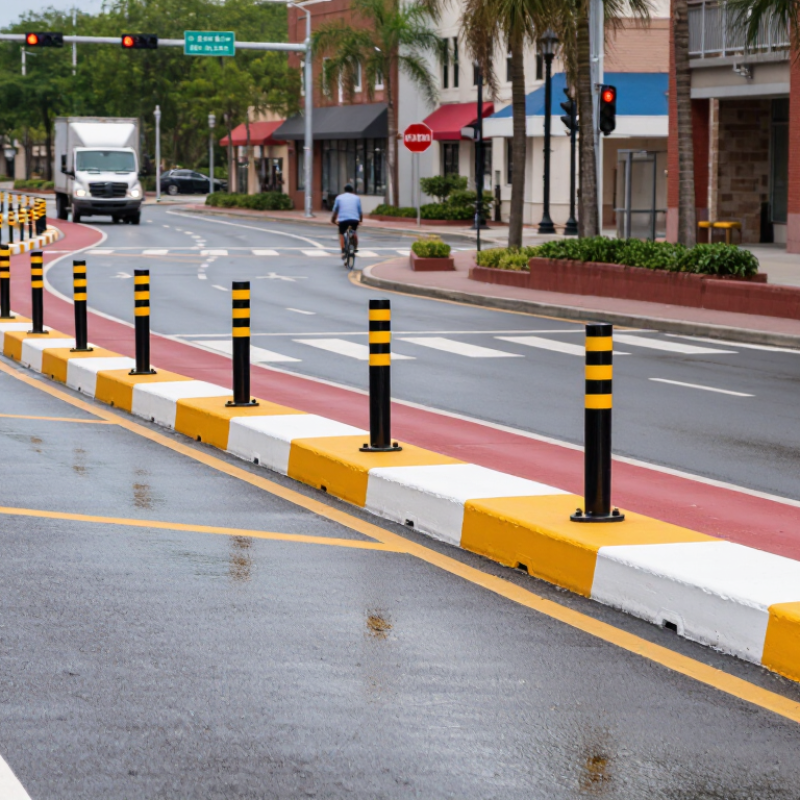
Lane separator curbs create a clear physical boundary between traffic lanes, medians, cycle paths, or restricted areas. Their basic function is simple: they guide vehicles and discourage sudden lane changes. A raised edge gives drivers a visible reference, especially near intersections, narrow roads, and temporary traffic layouts.
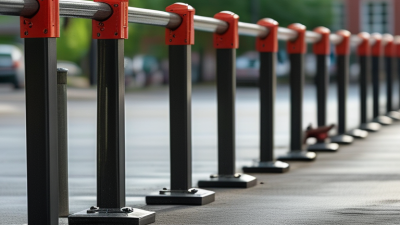
These curbs also improve traffic order. They can protect pedestrian islands, support channelization, and reduce accidental encroachment into opposing lanes. During daytime, their shape is easy to read. At night or in rain, reflective markings and warning posts become more important. A curb alone cannot solve every safety problem. Poor placement may reduce turning space or collect water along the roadway. That detail is sometimes overlooked.
Tips: Check the curb’s height, visibility, drainage, and surface condition during regular inspections. Keep markings clean and replace damaged reflectors quickly. Drivers need enough space to react, not just a barrier to follow. Engineers should also review sight distance and turning paths before installation. Small design changes can affect buses, bicycles, emergency vehicles, and maintenance crews. Field conditions may differ from drawings, so practical review remains valuable.
Lane separator curbs are installed where traffic streams need clear physical guidance. They divide opposing lanes, protect turning areas, and discourage sudden vehicle movements. Unlike painted lines, raised curbs remain visible during rain, glare, and nighttime driving. Their height also gives drivers immediate feedback when a vehicle drifts too close.
You often see these curbs on urban medians, approach lanes, and busy intersections. They are also common near roundabouts, bus stops, and road sections with dedicated bicycle lanes. At a turn pocket, a curb can protect the waiting lane from vehicles cutting across it. Near pedestrian crossings, it may create a small refuge area between moving traffic flows.
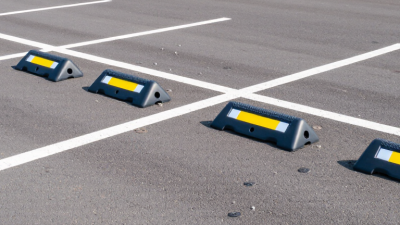
Parking areas use lane separator curbs to organize entrances, exits, and one-way circulation. They are useful around loading zones, where loose vehicle movement can create confusion. Construction teams may install temporary separators beside shifted lanes, but these require frequent inspection. A damaged edge, poor drainage, or weak visibility can reduce their value. That part is easy to overlook.
From site observations, placement matters more than appearance. Curbs need reflective markings, suitable spacing, and enough room for larger vehicles to turn safely. Designers should also check emergency access and pedestrian movement before installation. A separator that solves one problem may create another near a narrow sidewalk. Practical review remains essential.
Lane separator curbs are raised barriers that guide vehicles into defined lanes and discourage sudden lane changes. Their main purpose is improving traffic safety. A visible curb gives drivers a physical reference, especially near intersections, work zones, and busy pedestrian areas. It can reduce conflicts between turning vehicles, through traffic, cyclists, and people crossing the road. Visibility matters. Light-colored surfaces, reflective markings, and warning signs help drivers notice the separator at night or during rain.
Effective design depends on more than placing concrete in the roadway. Traffic engineers consider lane width, vehicle speed, drainage, sight distance, and emergency access. A properly positioned curb can slow careless weaving and create a predictable traffic pattern. It may also protect a waiting area from moving vehicles. However, lane separators are not a perfect answer. A tall or poorly located curb can trap water, damage tires, or create hazards for cyclists. Regular inspections are essential. Small details count.
Tips: Use clear reflective markings and keep them clean. Check the curb after collisions or harsh weather. Leave enough space for buses, delivery vehicles, and emergency movement. Review sight lines from a driver’s position, not only from a design plan. Local traffic data should guide changes, because one street’s solution may fail on another. A cautious design can still need revision after real traffic begins.
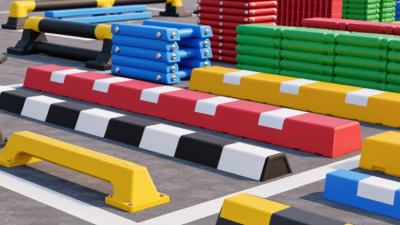
Lane separator curbs guide traffic and create a visible boundary between moving lanes. Their design affects safety, drainage, maintenance, and driver comfort. Low-profile curbs allow emergency or service vehicles to cross when necessary. Raised curbs provide stronger separation but may increase impact damage. Modular units are useful where lane layouts change frequently. Some designs include reflective panels, painted surfaces, or flexible markers for night visibility.
Precast concrete offers high weight and strong resistance to weather and repeated contact. It suits permanent installations on busy roads. Recycled polymer curbs are lighter and easier to replace, although extreme heat may affect their shape. Rubber separators absorb minor impacts and reduce vehicle damage. Steel components can strengthen a system, but exposed metal may corrode without proper protection. Material choice should match traffic speed, climate, pavement quality, and repair access.
In practice, installation details matter as much as the curb itself. Anchors need firm pavement and regular inspection. Reflective markings can become dull under dust and rain. Drainage gaps must remain clear. I have seen neat-looking separators fail because water collected behind them. That mistake is easy to overlook. A design that works on a dry street may perform poorly after heavy storms. Engineers should review sight distance, turning paths, and maintenance records before selecting a final curb system.
Lane separator curbs are low barriers that guide vehicles and reduce unsafe lane changes. They are useful near intersections, work zones, parking areas, and divided roads. Installation requires accurate measurements, stable ground, and clear visibility at night. Crews should inspect traffic flow before fixing each section. Poor alignment can narrow a lane unexpectedly. That small mistake creates daily frustration. Anchors must suit the pavement type and resist repeated vehicle contact. Drainage openings should remain clear, especially where rainwater collects beside the curb. Reflective panels or raised markers can improve visibility, but they need proper spacing and secure attachment.
Maintenance should include routine checks for cracks, loose anchors, faded markings, and displaced sections. A site supervisor can walk the route after heavy rain, freezing weather, or a minor collision. Damaged curbs may expose sharp edges and create hazards for cyclists, pedestrians, or maintenance workers. Cleaning dirt from reflective surfaces also matters. However, maintenance schedules are often too general. High-speed roads may need more frequent inspections than quiet parking areas. Records should note the inspection date, defect location, and repair action.
Lane separator curbs are not suitable everywhere. Large barriers can restrict emergency access or interfere with snow removal equipment. They may also reduce recovery space for a driver who makes an error. Tight curves require careful visibility testing. In some locations, flexible separators may be safer than rigid concrete units. Designers should review local traffic standards, drainage needs, vehicle sizes, and seasonal conditions before installation. A curb that works well in dry weather may perform poorly after ice, debris, or poor lighting appears.