What Are Steel Safety Bollards Used For?
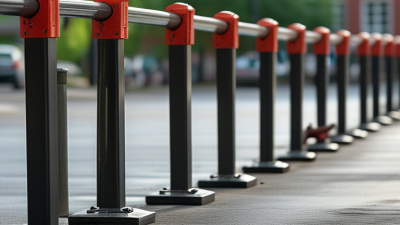
Steel safety bollards are short, strong posts designed to control vehicle movement and protect people, buildings, equipment, and access routes. They appear beside storefronts, loading bays, warehouse doors, pedestrian zones, parking areas, and utility cabinets. In practical site assessments, their value becomes clear at ground level: a bollard can separate a walking path from reversing vans, shield a glass entrance, or stop careless parking beside a fire exit.
The need is measurable. The World Health Organization’s Global Status Report on Road Safety 2023 estimates 1.19 million people die annually in road crashes worldwide. NHTSA recorded 40,901 U.S. traffic fatalities in 2023. These figures do not prove that bollards prevent crashes. They do show why passive protection deserves careful planning. CISA’s Vehicle Ramming Mitigation Security Guide recommends layered, site-specific measures rather than relying on one product. That principle matters.
Not every bollard provides the same protection. Fixed steel models usually offer stronger resistance than removable or decorative units, but performance depends on steel grade, diameter, spacing, footing depth, and soil conditions. Crash-rated products should be evaluated against recognized testing frameworks, such as ASTM F2656 or PAS 68, where relevant. FHWA’s Manual for Assessing Safety Hardware also stresses validated testing for roadside safety devices. Ratings are not magic. Poor installation can undermine excellent engineering. Designers should examine vehicle approach angles, pedestrian flow, emergency access, drainage, visibility, and maintenance records before specifying a system. A simple post may be enough in one location, yet inadequate beside a high-speed roadway. That uncomfortable distinction is often overlooked.
Definition and Basic Purpose of Steel Safety Bollards
What Are Steel Safety Bollards Used For?
Definition and Basic Purpose of Steel Safety Bollards
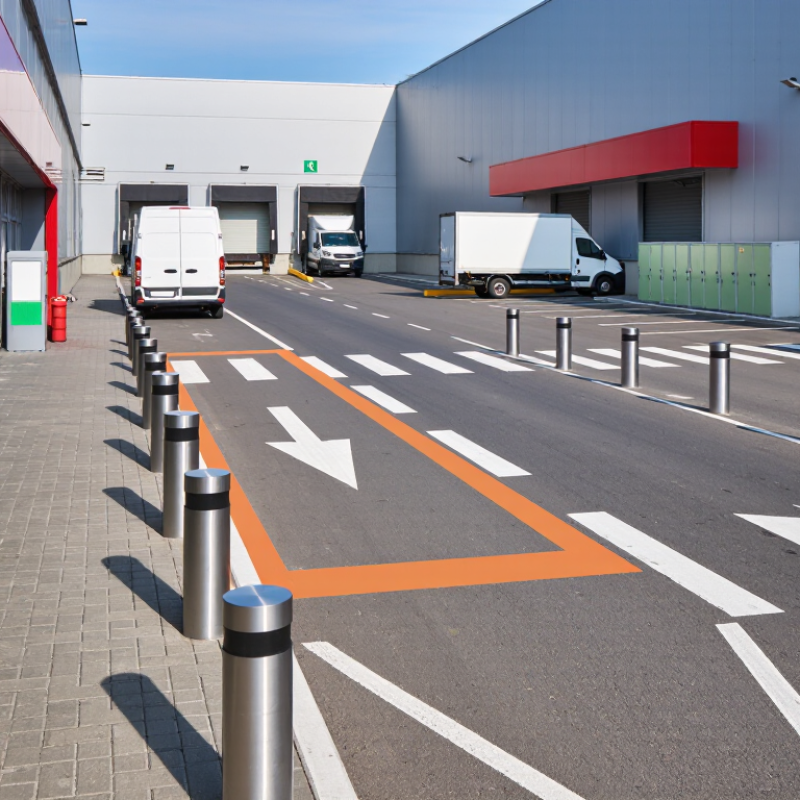
Steel safety bollards are short, vertical barriers designed to control vehicle movement and protect people, buildings, equipment, and access points. They are commonly installed beside loading doors, pedestrian walkways, warehouse corners, fuel areas, and building entrances. Their basic purpose is simple: absorb or redirect vehicle impact before a moving vehicle reaches a vulnerable target.
This risk is significant. The U.S. Bureau of Labor Statistics reported 1,942 fatal workplace incidents involving transportation in 2023. Bollards cannot prevent every collision. They can, however, create a visible separation between vehicles and people. In practice, a well-placed bollard often protects a door frame from forklifts, delivery trucks, and reversing vehicles. The bright finish helps visibility, while steel construction provides dependable resistance against repeated site hazards.
Effective protection depends on more than choosing a thick post. Engineers should review vehicle speed, impact direction, ground conditions, spacing, foundation depth, and the required impact rating. Occupational safety guidance also emphasizes separating pedestrians from vehicle routes whenever possible. A bollard supports that strategy, but it should not replace traffic planning, signs, lighting, or operator training.
Installation details are easy to underestimate. A strong bollard with a weak foundation may fail early. Poor spacing can leave a person trapped or allow a vehicle to pass through. That is an uncomfortable design lesson. Protection must be tested against real site behavior, not only drawings or product descriptions.
How Steel Safety Bollards Protect People and Property
Steel safety bollards create a visible, fixed barrier between moving vehicles and vulnerable spaces. They are commonly installed beside entrances, loading bays, pedestrian routes, storefronts, and equipment rooms. Their purpose is simple: absorb or redirect vehicle impact before it reaches people, walls, doors, or critical machinery.
The need is measurable. The U.S. Bureau of Labor Statistics recorded 1,075 fatal workplace injuries involving transportation incidents in 2023. The Health and Safety Executive also reports that workplace transport causes about 25% of employee deaths in Great Britain. These figures do not prove that bollards prevent every incident. They show why separating vehicles from pedestrians deserves serious planning. A steel bollard near a warehouse doorway can stop a reversing forklift from crushing a frame or trapping a worker against a wall.
Protection depends on more than steel thickness. Engineers should review vehicle weight, speed, approach angle, foundation depth, spacing, and impact-tested performance. Standards such as ASTM F3016 and ASTM F2656 provide useful testing frameworks for vehicle-resistant barriers. A poorly anchored bollard may look reassuring but fail under load. That is an uncomfortable detail. Site observations matter too, because drivers often cut corners around blind turns, pallets, or rain-slick surfaces. Clear sightlines, reflective markings, lighting, and controlled traffic routes should support the barrier. A bollard is not magic. It is one carefully specified layer of protection.
Common Locations and Applications for Safety Bollards
What Are Steel Safety Bollards Used For?
Common Locations and Applications for Safety Bollards
Steel safety bollards protect people, buildings, equipment, and traffic routes from accidental vehicle movement. Their most visible use is outside storefronts, banks, public buildings, and busy pedestrian entrances. Installed near doors, they help stop a car from reaching glass, steps, or waiting visitors. They also guide vehicles without replacing signs, lighting, or trained site management.
In car parks, bollards separate walking paths from reversing spaces. They protect payment machines, corners, charging equipment, and ticket barriers. At warehouses, they guard rack ends, dock edges, roller doors, and structural columns from forklifts. Details matter. A bright finish improves daytime visibility, while reflective bands help at night. Hospitals, schools, and apartment complexes often use them near drop-off lanes, where drivers may stop suddenly.
Selection should match the hazard, not merely the available budget. Professionals review vehicle types, impact energy, ground conditions, spacing, and required access. Fixed steel posts suit permanent protection, while removable or retractable models support maintenance access. Correct anchoring matters as much as steel thickness. A weak base can turn a strong post into a false safeguard. Not always. A layout may look secure on paper yet create a blind corner or narrow wheelchair route. Experienced installers measure turning paths and sightlines before drilling. Local building and accessibility requirements should guide the final design.
Types, Materials, and Design Features of Steel Bollards
What Are Steel Safety Bollards Used For?
Steel safety bollards create a strong boundary between vehicles, pedestrians, buildings, and equipment. They are commonly installed outside loading bays, storefronts, parking areas, warehouses, and public entrances. At a warehouse, closely spaced bollards can stop a reversing forklift or delivery vehicle from striking a wall. Their use depends on traffic speed, vehicle size, impact risk, and pedestrian movement.
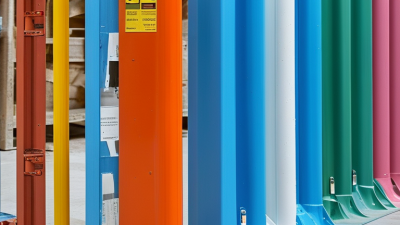
Fixed bollards provide continuous protection because they are anchored permanently into concrete. Removable models use sockets, allowing access for maintenance or emergency vehicles. Folding and retractable types suit areas that need occasional vehicle entry. Carbon steel offers high strength and practical cost control. Galvanized steel resists rust through a protective zinc layer. Stainless steel performs well where appearance and corrosion resistance matter. Powder-coated finishes add color, but damaged coating needs prompt repair.
Small details matter.
A reliable design considers bollard diameter, height, spacing, wall thickness, and foundation depth. Heavy-duty units may include internal reinforcement or concrete filling. Base plates can simplify installation on existing slabs, although anchor quality remains critical. Reflective bands improve visibility at night, while rounded caps reduce sharp edges and water collection. Site inspections often reveal hidden problems, such as weak concrete or poor drainage. A bollard can look strong but still fail when its foundation is inadequate. No design is perfect. Budgets, access needs, and maintenance schedules sometimes force compromises, so impact ratings and installation guidance should be checked before selection.
Steel Safety Bollards: Material Strength Comparison
Steel safety bollards are commonly made from carbon steel or stainless steel. The chart compares representative minimum yield-strength values used in widely referenced material specifications. Higher yield strength can support more compact designs, but bollard performance also depends on diameter, wall thickness, anchorage, impact energy, and corrosion protection.
Values shown: ASTM A36 carbon steel ≈ 250 MPa, EN S275 structural steel = 275 MPa, EN S355 structural steel = 355 MPa, AISI 304 stainless steel ≈ 215 MPa, and AISI 316 stainless steel ≈ 205 MPa. Actual values vary by product thickness and specification.
Choosing and Installing Bollards for Effective Protection
Steel safety bollards protect entrances, loading areas, pedestrian paths, and exposed equipment from vehicle impact. Their purpose is simple: create a visible physical boundary where painted lines may be ignored. In practice, a row outside a glass doorway can stop a slow-moving car before it reaches the frame. They can also guide delivery traffic without blocking people on foot. Protection depends on selection, not appearance alone. Details matter.
Choose the bollard by studying the hazard first. Record vehicle types, approach speeds, turning angles, and the distance available for braking. A heavier steel post may suit a warehouse corner, while a lighter model may fit a walkway. Fixed bollards provide stronger resistance; removable or fold-down versions allow occasional access. Check steel thickness, internal reinforcement, corrosion protection, diameter, height, and tested impact performance. Ask for engineering data, not vague strength claims. Review local building, accessibility, fire, and traffic requirements with a qualified professional.
Installation starts with the substrate. Mark underground services before drilling or excavation. Concrete depth, footing width, anchor type, and spacing must match the design load and ground condition. Keep enough clearance for doors, wheelchairs, carts, and snow removal equipment. Use reflective bands or contrasting finishes where visibility changes at night. After installation, inspect loose anchors, rust, damaged coatings, and vehicle contact points. A practical mistake is placing posts too close to a door; they may protect the wall but restrict evacuation or deliveries. Recheck the layout after people use the space.