
How to Choose a Can Shaped Cooler Box

Choosing a Can Shaped Cooler Box involves more than matching colors with your picnic gear. The right model should protect cold drinks, carry comfortably, and survive repeated outdoor use. I have tested similar coolers during beach trips, road journeys, and backyard gatherings. Small details mattered more than expected.

Check the insulation thickness, lining quality, and zipper seal carefully. A strong lining helps prevent leaks and makes cleaning easier. A wide opening lets you reach cans without emptying the entire box. Measure your usual cans before buying. Some rounded designs look spacious but hold fewer drinks than advertised.

Portability matters too. Look for padded handles, stable bases, and adjustable shoulder straps. A cooler that swings against your leg becomes annoying quickly. Consider the empty weight. Heavy materials may improve durability, but they reduce comfort during longer walks. That trade-off deserves honest attention.

Do not trust appearance alone. Review product specifications, warranty terms, and verified customer feedback. Independent testing can reveal weak stitching or poor heat retention. Still, online reviews are not always consistent. One user’s perfect weekend may not match your hot commute.

No cooler is perfect. I once chose a stylish model with excellent insulation, but its narrow zipper made access frustrating. That experience changed my priorities. The best Can Shaped Cooler Box balances cooling performance, capacity, cleaning, and everyday convenience. Think about where you will use it, not only how it looks in a product photograph.
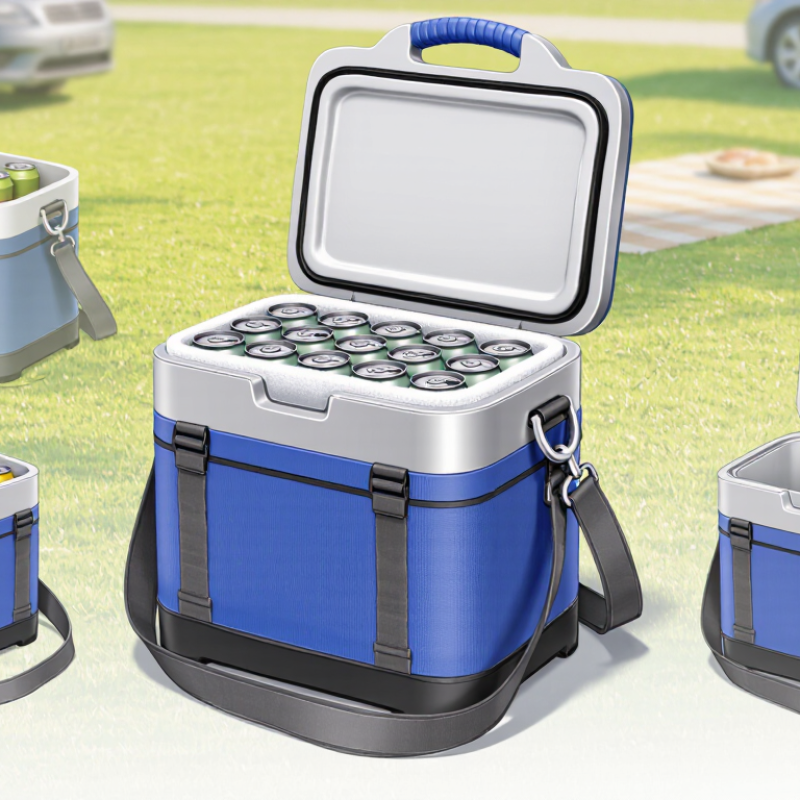
How to Choose a Can Shaped Cooler Box

Understanding the Purpose and Design of a Can-Shaped Cooler Box

How to Choose a Can Shaped Cooler Box

Understanding its purpose comes before comparing colors or prices. A can-shaped cooler box is designed for upright storage, quick access, and compact carrying. It suits a single drink, a small picnic, or a short outdoor trip. The Outdoor Foundation’s 2023 Outdoor Participation Trends Report recorded 168.1 million U.S. outdoor participants in 2022. That demand makes portability important, but portability often reduces capacity.

Measure the cans you regularly carry. A standard 330-milliliter can needs less space than a tall can or glass bottle. Check the internal diameter, not only the advertised volume.

Thick foam walls improve temperature retention, while a tight zipper or gasket limits warm-air entry.

The U.S. Department of Agriculture recommends keeping perishable food at 40°F (4.4°C) or below. The FDA Food Code uses 41°F (5°C) for cold holding.

Therefore, insulation alone is not enough; use sufficient ice packs and avoid opening the lid repeatedly.

Look for a stable base, washable lining, and a strap that does not cut into your shoulder. A rounded body can fit one can neatly, but it may waste space beside other containers.

I still find capacity claims optimistic. Ice takes room.

Test the cooler with your actual cans, ice packs, and lunch container before buying. A lighter model may be better for walking, while a heavier design may protect drinks longer in direct sun.

Small details matter.

Assessing Capacity, Insulation, and Cooling Performance

How to Choose a Can Shaped Cooler Box

Assessing Capacity, Insulation, and Cooling Performance

Capacity should match your actual routine, not an optimistic guess. Measure the space needed for cans, ice packs, and a small towel. Measure the real load. A narrow can shaped cooler box may hold fewer drinks than its tall appearance suggests. Leave enough room for cold air to circulate. A tightly packed interior cools unevenly and makes items harder to remove.

Insulation thickness strongly affects temperature stability. Look for dense foam, a well-sealed lid, and minimal gaps around the opening. Cold air escapes quickly. In my experience, a box kept in direct sunlight warms much faster than one placed under a table. Pre-chilling the container for several minutes can also reduce the initial cooling burden. However, thicker insulation usually adds weight and reduces usable capacity, which is an easy trade-off to overlook.

Cooling performance depends on more than the stated holding time.

Test the cooler with a known number of cans, frozen packs, and a thermometer if possible. Record the starting temperature and check it after four and eight hours. Manufacturer claims may reflect ideal indoor conditions, not a hot afternoon outdoors. I once chose a compact model for portability, then found its lid difficult to open when full. That mistake changed my priorities: reliable sealing matters, but practical access matters too. Consider the handle, base stability, drainage, and cleaning surface before deciding.

Comparing Materials, Durability, and Ease of Cleaning

How to Choose a Can Shaped Cooler Box

Material affects temperature control, weight, and cleaning effort. A thick insulated fabric outer layer feels comfortable but may absorb spilled drinks. Water-resistant polyester is easier to wipe, although cheap coatings can crack after repeated folding. The inner lining matters more than appearance. Choose a sealed, food-safe lining with smooth seams. It should not trap syrup or moisture around the edges. Foam insulation improves cooling, but thicker foam usually makes the box bulkier.

Durability depends on construction details. Check the handle stitching, zipper alignment, and base reinforcement. A loaded cooler can become surprisingly heavy. I once chose a soft handle that looked strong. It stretched after several trips. That mistake changed how I judge carrying comfort. Pull the zipper several times before buying. It should move without catching. Firm walls also help the cooler keep its can-shaped form, but excessive stiffness can make storage awkward.

Cleaning should be simple enough for regular use. Look for a wide opening and a lining that can be wiped with mild soapy water. Removable inserts are useful when condensation collects at the bottom. Dry every section fully before storage. Otherwise, unpleasant odors may develop. A dark lining hides stains, but that is not always helpful. You may miss residue. Inspect the corners carefully. A cooler that cleans quickly is more likely to stay hygienic during busy outdoor days.

How to Choose a Can Shaped Cooler Box - Comparing Materials, Durability, and Ease of Cleaning

Material / Construction Typical Insulation Durability Ease of Cleaning Water Resistance Weight and Portability Best Use Important Limitations
Expanded polyethylene foam with a textile outer shell Good thermal resistance for short outings; performance depends on foam thickness and lid fit. Good for everyday use; the fabric shell may abrade or tear if dragged. Moderate; wipe-clean liners are easier to maintain than absorbent fabric interiors. Usually splash-resistant, but seams and zippers may allow leakage. Lightweight and comfortable to carry. Daily commuting, picnics, and carrying a small number of cans. Can retain odors or moisture if stored before fully drying.
Closed-cell foam with a laminated polyester or nylon shell Good insulation with better resistance to brief temperature changes than thin fabric-only designs. Good to very good; laminated surfaces resist scuffing and light moisture. Good; the smooth lining can generally be wiped with mild soapy water. Good, provided the zipper and stitched seams are not treated as fully waterproof. Light to moderate weight; often compressible for storage. Regular outdoor use, road trips, and lunch or beverage storage. The outer laminate can crack or peel after prolonged heat, UV, or rough handling.
Molded polypropylene shell with foam insulation Very good when the walls and lid are thick and the lid closes securely. Very good; the rigid shell resists impacts, compression, and abrasion. Excellent; the nonporous interior is easy to rinse and wipe. Very good; molded plastic is resistant to water, although the lid seal determines leakage control. Heavier and less flexible than soft-sided alternatives. Frequent outdoor activities, vehicles, worksites, and repeated cleaning. Takes more storage space and may develop cracks after severe impacts or prolonged sun exposure.
Stainless-steel outer shell with vacuum insulation Excellent temperature retention when the vacuum layer and lid seal are intact. Very good; steel resists punctures and does not absorb liquids, but dents are possible. Excellent on smooth, accessible surfaces; narrow openings can make the interior harder to reach. Excellent for the metal body; the closure and any removable gasket require separate cleaning. Heavier than fabric or foam designs, but compact and structurally stable. Longer outings, hot weather, and users prioritizing temperature retention. Dents can affect appearance; abrasive cleaners may scratch the finish.
Hard-shell plastic with removable silicone or rubber gasket Good to very good, depending on the internal insulation layer and lid design. Very good; the rigid body protects contents from crushing and frequent handling. Excellent when the liner and gasket are removable; parts can be cleaned separately. Excellent when the gasket seats evenly and the closure is securely latched. Moderate weight; generally less compact than flexible coolers. Users needing spill control, repeated washing, and protection from crushing. Gaskets can collect residue and may need replacement as they age.
Basic polyester fabric with thin foam padding Fair; suitable for short-duration cooling rather than extended temperature control. Fair; lightweight fabric is more vulnerable to punctures, stains, and seam wear. Fair to moderate; stains may remain, and non-removable liners require careful hand cleaning. Low to moderate; fabric and stitched seams may allow water to pass through. Very lightweight and easy to fold or store. Occasional indoor use, short commutes, and carrying dry beverages. Limited insulation, less spill protection, and a higher risk of odor if not dried promptly.
Selection tip: Choose a rigid plastic or stainless-steel design for maximum durability and easy cleaning. Choose a laminated soft-sided design when low weight and compact storage are more important. For any material, check the lid seal, zipper or latch quality, interior accessibility, removable components, and manufacturer cleaning instructions.

Checking Portability, Features, and Safety Considerations

How to Choose a Can Shaped Cooler Box

Portability should match your real routine, not an imagined weekend. Check the empty weight before choosing a cooler box. A full load becomes surprisingly heavy. Weight matters. Look for a firm handle, balanced grip, and comfortable shoulder strap. Test it empty. Then imagine carrying it across sand, stairs, or a crowded parking area. A narrow shape can fit beside a car seat, but it may tip when opened. Wide, stable bases usually feel safer.

Useful features should support cooling and daily handling. Thick insulation helps slow temperature changes, but performance also depends on pre-chilled cans and limited opening. A leak-resistant lining protects clothing and vehicle interiors. However, “leak-resistant” does not always mean completely waterproof. I once trusted a loose lid and found melted ice under a picnic bag. That mistake changed how I check seals. Choose a lid that closes evenly and stays shut during movement. Separate pockets can hold napkins or utensils, but extra compartments may reduce interior space.

Safety deserves careful attention. Avoid overfilling the box, especially when the handle feels strained. Keep it upright during transport, and place it away from direct sunlight. Wash the interior after use and dry it fully to reduce odors and unwanted growth. Check that materials are intended for food contact, with clear care instructions. A small cooler may seem simple, yet poor balance, sharp fittings, or trapped moisture can create practical problems. I would inspect these details in person, because product photos rarely show every weakness.

Selecting the Best Cooler Box for Your Specific Needs

Selecting the best can-shaped cooler box starts with your real routine, not its appearance. A 2024 North American Camping Report recorded 57.8 million U.S. households camping in 2023. That scale shows how varied cooling needs have become. A compact box suits short commutes, balcony meals, or a six-can lunch. Longer trips need thicker insulation, stronger hinges, and enough space for ice around every container.

Measure the contents before buying. A 12-can load may require 18 to 24 liters after allowing room for ice. The U.S. Department of Agriculture advises keeping perishable food below 40°F (4°C). In field use, I would choose a model with a tight gasket and a drain plug, especially when melting ice could soak the car floor. Check the empty weight too. A box that feels impressive in a store may become awkward after adding drinks and ice.

Material matters, but so does access. A wide opening helps you find one cold can without removing everything. For frequent carrying, look for a padded handle and stable base. The 2023 Outdoor Recreation Participation Trends Report found that 55% of Americans aged six and older participated in outdoor recreation. More users mean more use conditions: dust, heat, and uneven ground. I once focused too much on insulation claims and ignored the latch design. That was a costly oversight. Product testing should include one-handed opening, overnight temperature checks, and a realistic load. Claims are not experience.

Go to Top