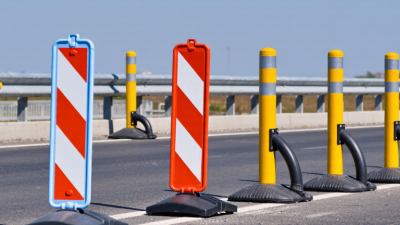
Choosing the right Parking lane delineators affects safety, traffic flow, and everyday maintenance. A well-selected product should guide drivers without creating harsh visual clutter. It should also remain visible during rain, dust, low light, and busy parking periods.
This guide examines practical details that buyers often overlook. Material strength matters when vehicles turn tightly near marked lanes. Flexible rubber may absorb minor contact, while rigid designs can offer sharper separation. Reflective bands, bright colors, and suitable height improve visibility beside dark asphalt. Anchoring methods also deserve attention. A delineator that shifts after one week creates confusion and extra labor. Fit comes first.
Site conditions should shape the final choice. Indoor garages may need compact units with clean edges. Outdoor lots often require UV resistance, drainage consideration, and stable bases. Review vehicle sizes, pedestrian movement, cleaning routines, and seasonal weather before ordering. Check supplier specifications and relevant local safety requirements. Details matter.
No product is perfect. A highly visible model may look excessive in a small private lot. A low-cost option may demand earlier replacement. That assumption can fail. Reliable selection comes from comparing evidence, not attractive photographs alone. Measure lane widths, inspect installation surfaces, and request samples when possible. Feedback from facility staff can reveal problems that product sheets miss. The best Parking lane delineators balance visibility, durability, installation effort, appearance, and long-term value.
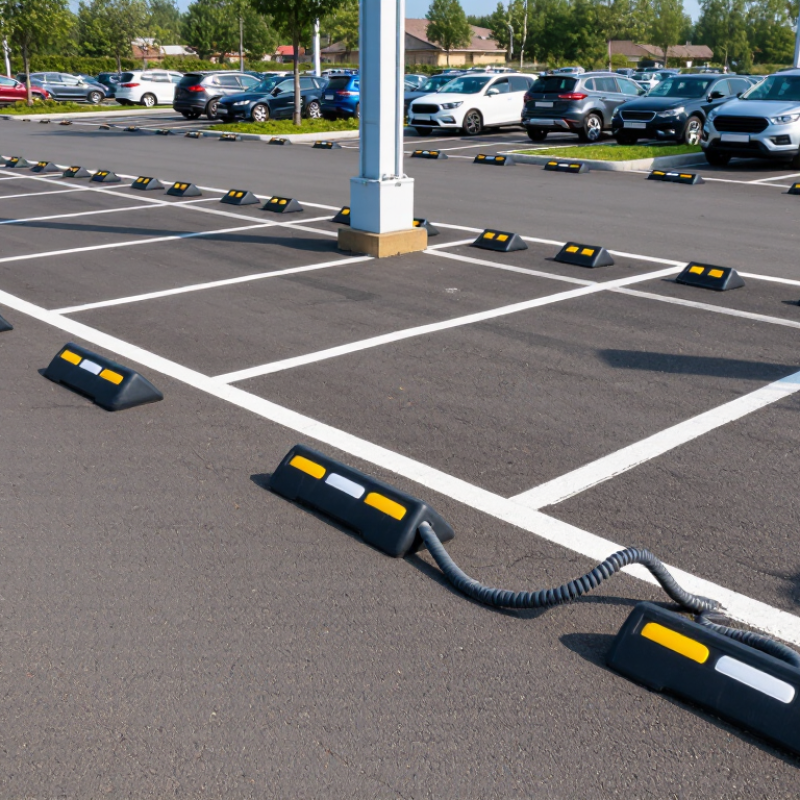
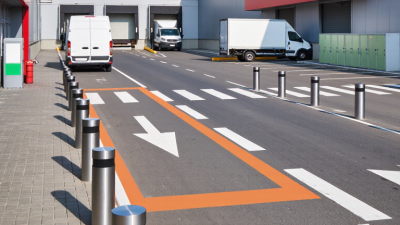
Parking lane delineators define the edge of a parking route. Their main purpose is simple: guide vehicles and protect pedestrians. They also separate parking spaces from drive aisles, loading zones, walls, and restricted areas. Clear separation reduces hesitation, sudden turns, and minor contact incidents. Visibility matters most at night, during rain, and in crowded lots. A delineator should be easy to notice, not merely durable.
Purpose comes before appearance. Before choosing one, inspect the site at driver eye level. Look for blind corners, narrow lanes, poor lighting, and frequent delivery movement. Flexible posts may suit areas with occasional vehicle contact. Rigid barriers may work better where stronger separation is needed. Placement must leave enough room for doors, wheelchairs, carts, and emergency access. Check local safety and accessibility requirements too. Small details matter.
Material, height, color contrast, and mounting method affect performance. Reflective surfaces can improve nighttime guidance, while a stable base prevents unwanted movement. Yet stronger is not always better. An overly rigid product can create greater damage during a collision. That point is easy to overlook. Maintenance also deserves attention. Dirt, faded markings, loose anchors, and damaged reflectors can weaken the system’s purpose. Review the layout after installation, because real traffic may reveal problems that a plan misses.
Choosing parking lane delineators starts with the site, not the product. Inspect pavement width, drainage, lighting, snow storage, curb height, and pedestrian routes. A narrow lane may need low-profile delineators, while a loading area requires stronger impact resistance. Wet pavement and glare can reduce visibility, so reflective elements should face approaching drivers.
Traffic flow matters just as much. ITE’s Parking Generation Manual, 6th Edition, shows that parking demand changes by land use, time, and local conditions. Observe peak arrivals, reversing movements, delivery vehicles, and turning paths before installation. The 2022 Traffic Safety Facts report recorded 7,522 pedestrian deaths in the United States, reinforcing the need to separate vehicle movements from walking areas. Leave clear sightlines at crossings and aisle intersections.
Placement should support predictable movement. Follow the current Manual on Uniform Traffic Control Devices for markings, contrast, and roadside visibility. Keep delineators outside accessible routes and avoid creating trip hazards near curb ramps. Space them consistently, then test the layout with a real vehicle, not only a drawing. Too many units can confuse drivers. Too few can invite shortcuts. That judgment is easy to underestimate. Review the site after rain, darkness, and peak parking periods; the first layout may need revision.
Choosing the best parking lane delineators starts with the surface, traffic pattern, and maintenance routine. Rubber delineators absorb minor impacts and suit busy parking areas. Recycled polymer models resist moisture, sunlight, and many cleaning chemicals. Metal options provide a firm appearance but may dent or corrode without proper protection. I once selected a rigid style for a delivery zone, and repeated contact damaged the surrounding pavement. That decision needed more site testing.
Design affects both guidance and daily safety. Low-profile units reduce trip risks near walking routes. Taller posts help drivers identify lane edges from inside larger vehicles. A wide, stable base prevents movement on smooth concrete. Rounded edges are preferable where pedestrians pass frequently. Some installations need flexible posts, while others require strong separation. The wrong design can create new hazards.
Visibility should remain reliable at dawn, rain, and weak garage lighting. Look for high-contrast colors and raised retroreflective bands. Reflective surfaces should face approaching traffic, not merely look bright from one angle. Safety features may include impact flexibility, secure anchors, and breakaway components. Check whether the material remains visible after dust, tire marks, and repeated washing. In practice, cleaning is often overlooked. A monthly inspection can reveal loose bases, faded bands, or cracked surfaces before they become serious problems. No option is perfect. Local conditions still decide performance.
How to Choose the Best Parking Lane Delineators?
Installation determines whether a delineator stays aligned after repeated tire contact. Surface-mounted units install quickly, but anchors can loosen on cracked asphalt. Recessed or cast-in bases usually resist movement better. They also require more planning and concrete cutting. FHWA’s 2023 Manual on Uniform Traffic Control Devices stresses that traffic-control devices must remain visible, stable, and properly maintained. That sounds simple. Field conditions are not.
Durability depends on impact recovery, ultraviolet resistance, and water drainage. Flexible materials can bend after a low-speed strike, while rigid posts may crack or pull out their anchors. NCHRP Report 350 and the MASH guidelines show why crashworthy design and controlled impact testing matter. However, parking lanes experience harsher daily abuse than laboratory tests suggest. Check bolt torque, reflective surfaces, base deformation, and pavement separation during monthly inspections. Replace units when reflection fades, not only when they break.
Tips: Match the installation method to the pavement. Use tamper-resistant anchors where removal is a concern. Leave enough clearance for snowplows and sweeping equipment. Keep a simple inspection log with dates, damaged locations, and replacement counts. A useful maintenance target is a 30-day review cycle, then shorter intervals after winter. I would not assume the most expensive option lasts longest. Drainage, cleaning, and accurate installation often matter more.
Comparative planning scores for common installation methods. Higher scores indicate easier installation, greater durability, and lower maintenance needs.
Surface-mounted flexible delineators are generally quick to install and suitable for locations exposed to occasional vehicle impact. Bolt-down systems typically provide stronger anchoring and longer service life on high-traffic surfaces, while adhesive-mounted systems are best suited to smooth, clean pavements with limited drilling requirements. Actual performance depends on traffic volume, impact frequency, pavement condition, climate, and installation quality.
How to Choose the Best Parking Lane Delineators?
Select delineators that meet both your budget and local regulations. A low purchase price can hide replacement costs, especially in busy parking areas. Choose materials suited to traffic, weather, cleaning chemicals, and winter maintenance. Flexible posts may recover after minor impacts, while rigid units can protect a boundary but may require stronger installation. Check height, spacing, reflectivity, anchoring, and accessible-route clearances before ordering. One assumption often fails: the cheapest product is rarely the lowest-cost option over three years.
Local rules should guide every specification. In the United States, the Federal Highway Administration’s Manual on Uniform Traffic Control Devices, 11th Edition, requires traffic control devices to meet visibility, placement, and crashworthiness principles. Other regions may follow different standards. Confirm requirements with the local transport authority, property owner, and accessibility reviewer. The World Health Organization’s Global Status Report on Road Safety 2023 reports about 1.19 million annual road deaths worldwide. Parking controls seem small, but clear visibility still matters.
Tips: Request compliance documents, impact-test evidence, and installation instructions. Compare total cost, not unit price. Measure sightlines at night. Test one section first. A pilot may reveal glare, poor drainage, or awkward pedestrian movement. Keep records of approvals, inspections, and replacements. Reflective material can fade earlier than expected, so schedule checks after harsh weather.
| Delineator Type | Typical Height | Common Material | Visibility Features | Impact Performance | Typical Unit Price (USD) | Recommended Use | Key Regulatory Checks |
|---|---|---|---|---|---|---|---|
| Flexible Surface-Mounted Post | 28–36 in (71–91 cm) |
Polyurethane or flexible recycled polymer | High-visibility color with one or two reflective bands | High | $35–$90 | Parking lanes, traffic islands, garage ramps, and areas where occasional vehicle contact is expected. | Confirm required height, color, retroreflectivity, spacing, and approved anchor method with the local road or parking authority. |
| Flexible Bollard | 36–48 in (91–122 cm) |
Flexible polymer with steel or composite reinforcement | Reflective bands or high-intensity reflective panels | High | $70–$180 | Driveway entrances, pedestrian edges, loading areas, and locations requiring stronger visual separation. | Check whether the location requires a specific bollard diameter, detectable base, contrast level, or clear pedestrian passage. |
| Steel Tube Delineator | 30–42 in (76–107 cm) |
Galvanized or powder-coated steel | Optional reflective tape, painted finish, or reflective panel | Medium | $45–$140 | Low-impact parking guidance, reserved parking boundaries, and controlled-access facilities. | Verify corrosion protection, edge safety, breakaway requirements, and whether rigid posts are permitted in the installation zone. |
| Heavy-Duty Steel Bollard | 36–48 in (91–122 cm) |
Steel pipe with concrete footing or surface flange | Painted finish with optional reflective striping | Very high | $120–$350 | Vehicle-protection zones, storefronts, fuel areas, pedestrian plazas, and high-risk impact locations. | Confirm engineering requirements, foundation depth, setback distance, accessibility clearances, and local crash-protection rules. |
| Recycled-Rubber Wheel Stop with Reflectors | 4–6 in (10–15 cm) |
Recycled rubber or rubber composite | Molded-in reflectors or reflective end caps | Medium | $45–$110 | Parking stall ends, low-speed parking areas, and situations where a low-profile lane separator is preferred. | Check required stall depth, pedestrian trip hazards, mounting layout, drainage clearance, and local accessibility guidance. |
| Concrete or Precast Delineator | 18–36 in (46–91 cm) |
Precast concrete or reinforced concrete | Painted surface, reflective plaques, or attached reflective strips | Very high | $90–$300 | Permanent parking boundaries, landscape protection, and locations where relocation is unlikely. | Review minimum pedestrian clear width, object-projection limits, visibility markings, drainage, and structural placement requirements. |