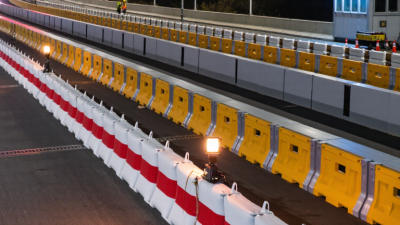
Buying Cable protector ramps in China can offer access to varied designs, materials, and customization options. The challenge is finding a supplier whose product matches the site, traffic, and cable layout—not just the lowest quoted price. A ramp for a pedestrian walkway may differ greatly from one used by forklifts. Small details matter: channel width, ramp height, hinge strength, surface grip, and the way sections connect.
A useful sourcing principle, expressed here as an illustrative comment rather than a verified interview, comes from fictional sourcing specialist Daniel Wu: “Choose by load rating and application first; compare prices only after the specifications match.” A real expert quotation should be independently verified before publication. Buyers can request current product drawings, material specifications, load-test documentation, and photos of finished units. Ask whether the stated load capacity applies to a single wheel or a distributed load. That distinction is easy to miss.
China-based suppliers may offer rubber, polyurethane, or plastic options, along with different channel counts and colors. Request a sample when practical. Check its weight, edge finish, connector fit, and resistance to slipping on the intended floor. Also confirm minimum order quantities, packaging, lead times, and whether custom dimensions affect production. Be cautious when specifications are vague or documents do not identify the tested model. A polished catalog is not proof of performance.
This guide explains where to search, how to compare manufacturers and trading companies, and which questions to ask before ordering. A little extra checking helps. The right Cable protector ramps should fit the cables, the traffic, and the actual conditions of use.
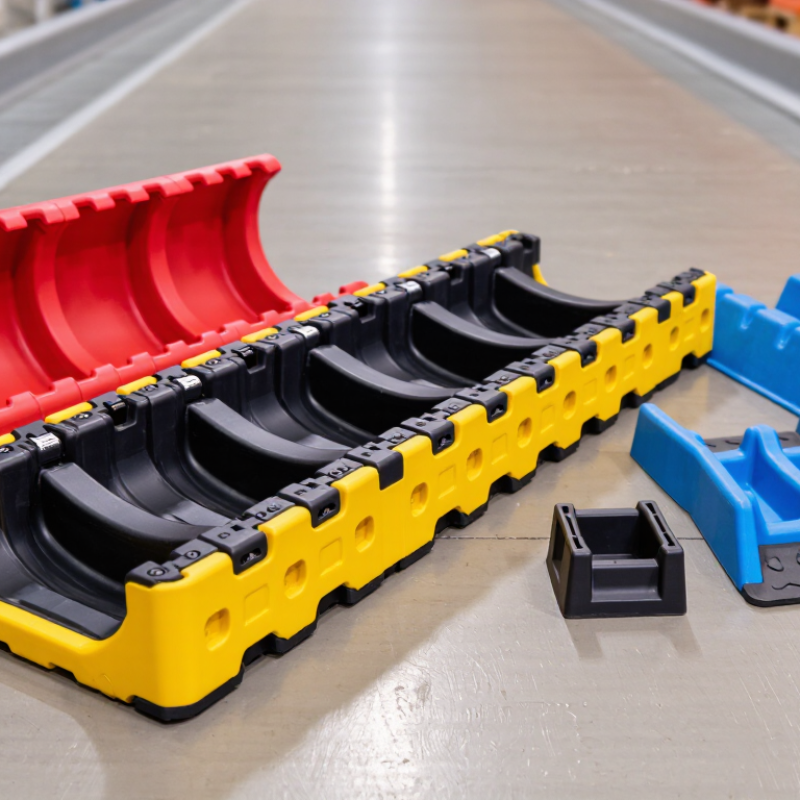
Cable protector ramps come in several practical designs. Low-profile, single-channel ramps suit offices, studios, and walkways carrying one extension cable. Multi-channel models separate power and data lines, reducing tangles at event venues or temporary work areas. Rubber ramps are heavy and grip the floor well, while polyurethane versions are often lighter to move. Hinged lids make cable placement easier. Choose ramp height and channel width to fit the actual cables, not just their listed number.
Tips: Measure cables before ordering. Check the stated load rating, ramp dimensions, surface grip, and whether the lid closes securely. A small mismatch can leave cables exposed.
In China, buyers can compare industrial-supply distributors, electrical equipment sellers, and factory suppliers through established wholesale platforms or local sourcing agents. Request a datasheet and clear photos of the underside, connectors, and hinge. For outdoor use, ask about water resistance and temperature range; these details vary by product. If possible, test a sample on the intended floor with the real cable bundle. A ramp that works in a warehouse may slide on polished tile, and supplier descriptions do not always reveal that.
Where to Buy Cable Protector Ramps in China?
Key Specifications to Define Before Buying
When comparing Chinese suppliers, define the ramp’s job before requesting prices. Record the cable count and outside diameter, then specify channel width, height, ramp length, and connector style. A 20 mm cable may need a wider channel if its jacket bends poorly. State whether pedestrians, hand carts, or forklifts will cross it; load ratings are not interchangeable. Ask for rated load conditions and supporting test data, not just a maximum figure on a product sheet.
Material matters. Rubber often suits heavy traffic, while polyurethane may reduce weight; actual performance depends on formulation and design. Specify indoor or outdoor use, expected temperatures, water exposure, and UV exposure. Request drawings, sample measurements, material details, and inspection criteria before confirming production. Check sample fit with the real cable. Small mismatches matter. A ramp that closes neatly in a catalog image may pinch a stiff cable in cold weather. Also agree on color, surface texture, end connectors, packaging, minimum order quantity, and lead time in writing. Compare supplier offers against the same specifications, and verify production capability and quality records.
Tips: Send a dimensioned sketch and cable samples. Ask the supplier to mark critical dimensions on the approval drawing. Keep one approved sample for comparison; this step is easy to skip when schedules tighten.
Compare suppliers of cable protector ramps through industrial safety equipment and rubber or polyurethane product manufacturers. Before requesting a quote, define the channel count, usable channel dimensions, ramp dimensions, material, environment, and load rating required for your application.
The chart shows commonly encountered channel-count configurations, not a ranking or a market-share estimate. Availability varies by supplier; confirm the channel dimensions and stated load rating for the exact model you plan to buy.
For cable protector ramps in China, buyers commonly compare factory-direct suppliers, industrial distributors, and B2B marketplaces. Direct sourcing can suit repeat orders or custom lengths, while local distributors may offer quicker samples and replacement parts. Ask for load ratings, channel dimensions, material details, connector compatibility, and test documentation. Small details matter. A ramp that rocks on a warehouse floor can create a trip hazard, even if its catalog photo looks convincing.
China’s National Bureau of Statistics reported online retail sales of 15.43 trillion yuan in 2023, up 11.0% year on year. CNNIC’s 53rd Statistical Report on China’s Internet Development counted 915 million online-shopping users by December 2023. These figures cover broad retail activity, not cable-ramp sales, but they help explain online sourcing’s role in price discovery. Compare technical drawings, sample photos, delivery times, and warranty terms. Marketplace ratings are not engineering evidence.
For a one-off event or urgent replacement, local equipment-rental firms and safety-supply distributors may be more practical than overseas shipping. Request a physical sample when possible. For large projects, ask suppliers for batch inspection records and written confirmation of load capacity. One weak point remains: listings may omit test conditions. Verify key claims independently.
| Buying Channel | Best Suited For | How to Source | Advantages | Points to Check |
|---|---|---|---|---|
| Online B2B marketplaces | Buyers comparing multiple suppliers or arranging export orders | Search product listings, contact suppliers directly, and request quotations and samples through the platform. | Broad supplier selection, convenient initial comparison, and access to product specifications and listing photos. | Verify the supplier’s business details, product materials, load-rating test basis, order terms, and sample consistency. |
| Domestic e-commerce platforms | Small quantities, replacement purchases, or buyers able to purchase within China | Search Chinese-language listings and confirm stock, delivery area, product dimensions, and invoice requirements with the seller. | Useful for checking retail availability and comparing standard products and prices. | Listings may not support export documentation or international shipping; confirm the exact model and freight arrangements. |
| Trade fairs and industry exhibitions | Importers, distributors, and project buyers evaluating products in person | Visit relevant safety, electrical, event, construction, or industrial exhibitions in China and arrange supplier meetings. | Allows direct discussion and physical inspection of ramp size, hinge design, surface finish, and connectors. | Check whether quoted prices include tooling, packaging, domestic transport, or export costs, and follow up with written specifications. |
| Specialized safety and electrical-product distributors | Buyers needing locally available stock or related site-safety products | Contact distributors in industrial supply markets or through their business-to-business sales channels. | May offer convenient access to standard models, local delivery, and related products. | Confirm the distributor’s authorization or sourcing route, stock status, warranty terms, and product documentation. |
| Direct sourcing from manufacturers | Bulk orders, custom configurations, or private-label production | Identify factories through supplier directories, referrals, or exhibitions, then request a quotation based on a written specification. | Direct communication about materials, dimensions, colors, cable channels, tooling, and production requirements. | Request samples, inspect quality-control procedures, confirm minimum order quantities and lead times, and define acceptance criteria in the contract. |
| Sourcing agents and inspection services | Overseas buyers needing help with supplier communication, factory checks, or order follow-up | Engage an independent service provider to assist with supplier screening, sample coordination, inspections, or logistics. | Can help bridge language and process gaps and provide local coordination. | Agree on service scope, fees, reporting standards, and conflict-of-interest disclosures before placing an order. |
Before ordering: Compare ramp dimensions, cable-channel capacity, material, rated-load test conditions, surface grip, connector compatibility, packaging, and shipping terms. Load ratings can depend on test conditions, so request supporting documentation for the specific product.
When buying cable protector ramps in China, evaluate the factory, not just the catalogue. Ask for drawings, material specifications, load-test methods, and reports tied to the exact model. A ramp that looks sturdy may still flex under repeated vehicle traffic. Check hinge fit, channel dimensions, surface grip, and whether end pieces connect securely. Request samples and test them with the cable types and loads you expect.
Use independent evidence where possible. The World Bank’s 2023 Logistics Performance Index ranked China 19th, with a score of 3.7. This measures national logistics performance, not individual suppliers, so it cannot confirm product quality. Still, it offers useful context when comparing shipping plans. Ask each manufacturer for production lead times, packaging dimensions, export references, and a recent inspection record. Confirm that certificates match the factory’s legal entity and the specific product. Small detail, big difference. A video call from the production floor can help, but it is not a substitute for third-party inspection.
Tips: Send the same written specification to several suppliers. Compare test evidence, sample consistency, and response quality—not only unit price. Keep one weakness in mind: samples may be better finished than bulk orders, so define acceptance checks before production.
When sourcing cable protector ramps in China, compare industrial suppliers and factories that can provide clear drawings, material details, and recent production photos. Send your cable diameter, ramp length, expected vehicle load, and installation setting. A warehouse floor and an outdoor loading area need different materials and surface features. Ask for a sample before placing a large order. Confirm the hinge, connector fit, and lid movement by hand. Small gaps matter.
Tips: Put dimensions, color, load rating, packaging, and delivery terms in one written specification. Request photos of the finished batch before shipment.
For quality inspection, check several units, not just the sample. Measure channel width and ramp height, then look for cracks, uneven molding, sharp edges, and loose connections. Ask how the load rating was tested; a number without a test method is hard to assess. I would not treat a polished sample as proof. Production can still vary. Agree on an inspection date and who pays if defects require rework.
Shipping plans affect cost and condition. Confirm carton size, gross weight, pallet needs, and whether ramps ship assembled or nested. Request protective packing around connectors and exposed edges. Compare quoted sea, rail, or air options against your delivery deadline, not freight price alone. Leave time for production checks and document review. Freight estimates can change when final carton measurements differ.