
2026 Best Electric Cigarettes for Global Buyers?
“Best” depends on the buyer, the market, and the product’s verified specifications. For global readers, this guide compares electric cigarettes through practical details: battery capacity, charging options, materials, clear labeling, and after-sales support. Small differences matter. A compact device may suit a short commute, while a readable manual and replaceable parts can matter more over time.
No single model fits every buyer. Product availability and requirements differ by country, so readers should check current local rules before considering any purchase. They should also verify age restrictions, product registration, ingredient disclosures, and warranty terms through reliable sources. Dr. Tedros Adhanom Ghebreyesus, Director-General of the World Health Organization, has warned that e-cigarettes are harmful and not safe. That context matters. This article is not medical advice, and product features should never be confused with proof of safety.
The phrase Electric Cigarates appears in searches, but product descriptions still need careful checking. Compare published specifications with the actual packaging; look for clear battery information, readable warnings, and a named support contact. Be cautious when claims sound absolute or independent testing is missing. A polished listing can still leave basic questions unanswered. That is worth noticing. This review will weigh useful features against uncertainty, rather than promise a universal winner. Shortlist carefully, verify details, and remember that “best” is a judgment—not a guarantee.
What Electric Cigarettes Are and How They Work
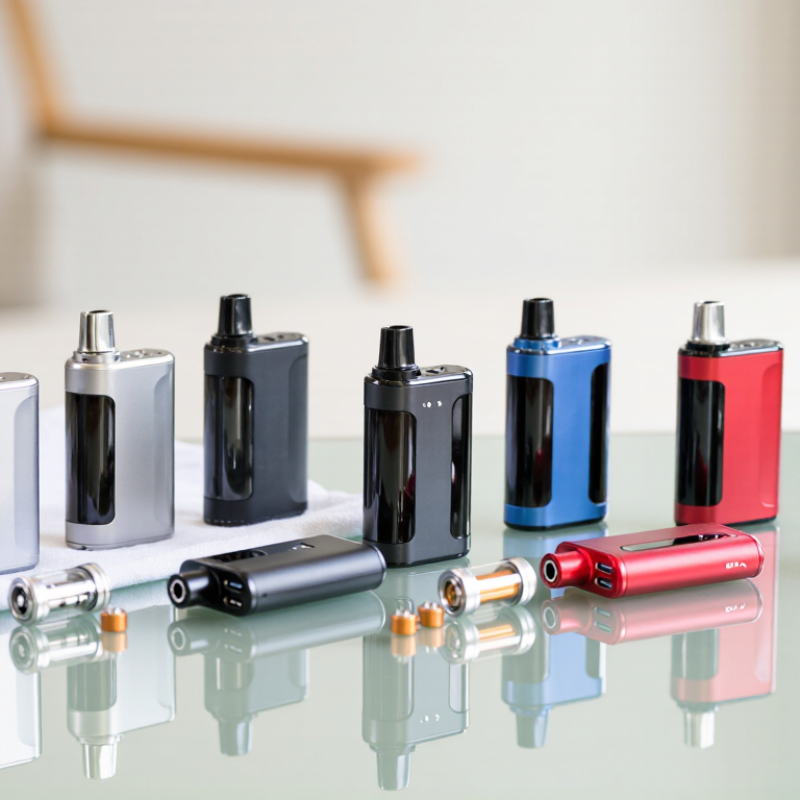
An electric cigarette, often called an e-cigarette, is a battery-powered device that heats liquid into an inhalable aerosol. It does not burn tobacco, but “vapor” can mislead: the aerosol may contain nicotine, fine particles, flavoring chemicals, and metals. The basic parts are easy to picture: a battery, liquid reservoir, wick, and heating coil. When activated by a draw or button, the battery powers the coil, warming liquid drawn through the wick. Small changes matter. Coil temperature, airflow, and liquid formulation can affect aerosol output, so devices may feel quite different.
That variability matters when comparing products across markets. A technical sheet should identify battery capacity, liquid volume, heating method, and adjustable settings. Numbers do not tell the whole story. The US National Academies’ 2018 report reviewed more than 800 scientific studies and found that e-cigarette aerosol can contain potentially toxic substances. It also reported that nicotine delivery varies with device design and user behavior. These findings are not a safety guarantee. A device may look simple, yet its aerosol chemistry is not always clear from its casing or flavor label. I would treat precise performance claims cautiously; even a neat specification can leave important details unanswered.
2026 Best Electric Cigarettes for Global Buyers? - What Electric Cigarettes Are and How They Work
| Comparison Dimension | Disposable E-Cigarette | Rechargeable Pod Device | Refillable Tank Device | What Global Buyers Should Check |
|---|---|---|---|---|
| What it is | A compact device supplied with a prefilled e-liquid reservoir. Many are designed to be discarded when the liquid runs out or the battery can no longer power the device. | A battery-powered device that uses a replaceable or refillable pod containing e-liquid. | A rechargeable device with a refillable tank and a replaceable heating coil or coil assembly. | Product descriptions and designs vary. Confirm whether the device is disposable, rechargeable, refillable, or uses replaceable pods. |
| How it works | A battery supplies power to a heating element. The element heats e-liquid held in or delivered to a wick, producing an aerosol that the user inhales. E-cigarettes do not burn tobacco in the way conventional cigarettes do, and the aerosol is not simply water vapor. | Check the instructions for the intended liquid, pod, coil, and charging method. Do not use damaged devices or components that are not specified as compatible. | ||
| E-liquid contents | E-liquids commonly contain propylene glycol (PG), vegetable glycerin (VG), flavorings, and sometimes nicotine. Ingredients and concentrations differ by product; nicotine-free products are also sold. | Read the ingredient list and nicotine concentration on the product packaging. Do not assume that a flavor name identifies the ingredients or that a product is nicotine-free without checking its label. | ||
| Nicotine options | May contain nicotine or be labeled nicotine-free, depending on the product and market. | Available with different pod formulations and nicotine concentrations, depending on local rules. | Can use compatible e-liquids with different nicotine formulations and concentrations, subject to the device instructions and local law. | Nicotine is addictive. Check the stated concentration and units, and verify that the product is legally permitted in the destination country. |
| Power and charging | Some models are rechargeable; others are not. This should be stated on the packaging or product documentation. | Typically has a rechargeable battery; charging connection and operating instructions vary. | Typically has a rechargeable battery, with charging and battery arrangements varying by model. | Check charging requirements, included accessories, battery safety information, and applicable airline or transport rules. Never charge unattended or with visibly damaged equipment. |
| Refilling and maintenance | Usually not intended to be refilled. Follow the maker’s disposal instructions. | Some pods are sealed and replaced; others are refillable. The design determines maintenance needs. | Requires refilling and periodic coil replacement. Incorrect filling or a worn coil can cause leakage or poor operation. | Confirm whether replacement pods, coils, or compatible liquids are available locally before purchase. Follow the device’s filling and cleaning instructions. |
| Portability and operation | Generally designed for simple, portable use, but capacity, battery life, and operating method differ. | Usually compact, with operation depending on the device; some activate by inhalation and others use a button. | Can offer adjustable settings on some models, but may require more setup and maintenance. | Compare documented dimensions, controls, and manufacturer-stated specifications rather than relying on unverified claims such as “strongest” or “longest-lasting.” |
| Waste and disposal | Contains electronic components and a battery, so it should not automatically be placed in ordinary household waste. | Used pods and batteries may require separate disposal routes. | Replaceable coils, containers, and batteries create separate waste streams. | Check local e-waste and battery collection guidance. Disposal rules differ by country and municipality. |
| Health and age considerations | E-cigarette aerosol can contain nicotine and other potentially harmful substances. E-cigarettes are not risk-free, and they are not intended for children or people who do not use tobacco or nicotine products. | Check the legal minimum age and sales restrictions where the product will be used. Pregnant people and people with health concerns should seek advice from a qualified health professional. | ||
| Cross-border regulations | Rules for sale, possession, nicotine content, flavors, packaging, import, and use differ between jurisdictions and can change. | Before ordering, verify current requirements with the destination country’s official customs, health, and transport authorities. Do not assume a product legal in one country is legal to import or use in another. | ||
Buyer note: There is no universally “best” electric cigarette for every buyer. Product legality, nicotine content, device compatibility, battery safety, and local disposal requirements should be checked for the intended market.