7 Best Bocina X Race Cone Speakers for Buyers
Choosing among the 7 Best Bocina X Race Cone Speakers for Buyers means looking beyond bold packaging and peak-power numbers. A speaker can sound impressive in a showroom, then turn harsh when mounted in a small car door. Fit, sensitivity, impedance, and installation quality all shape the result. Small details matter.
Loudspeaker researcher Floyd Toole has emphasized the value of evaluating speakers by listening, rather than relying on specifications alone. That principle is useful here. A clear vocal track, steady bass at moderate volume, and clean sound after several minutes tell buyers more than a dramatic product label. The Bocina X Race Cone options in this guide are considered through practical questions: Will the speaker fit the intended location? Can the existing receiver drive it comfortably? Does the cone material suit the buyer’s priorities for sound and durability?
No single model will suit every vehicle or listening habit. Some buyers want crisp vocals for podcasts; others want fuller music playback without adding an amplifier. Installation can also change what a speaker delivers, and that is easy to underestimate. This overview compares key features and buyer considerations, while treating advertised performance claims with care. Check dimensions and system compatibility before ordering. A little measuring helps.
What Bocina X Race Cone Speakers Are and How They Work
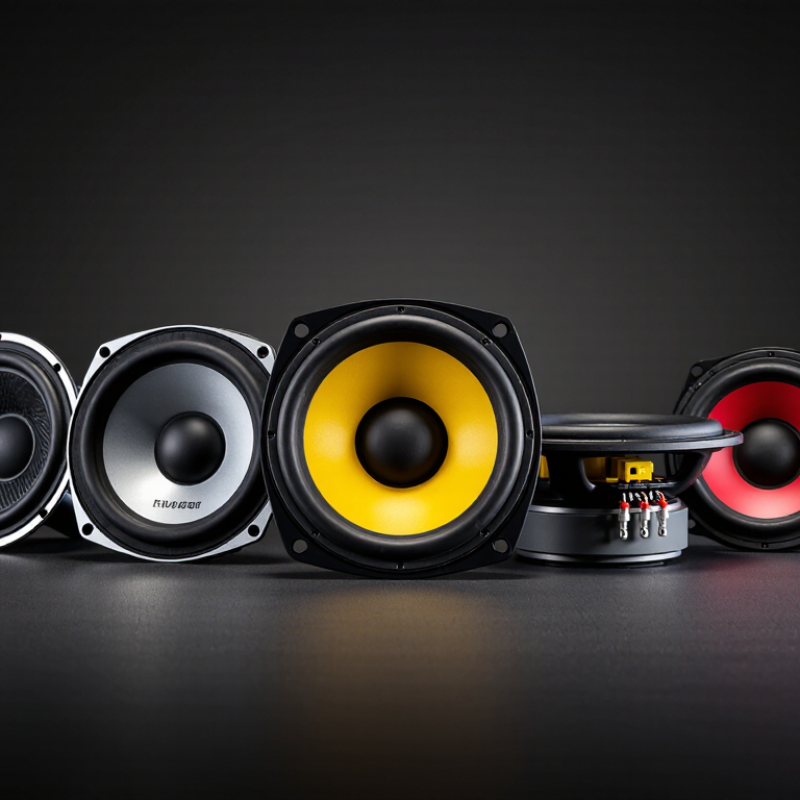
A Bocina X Race cone speaker turns an audio signal into moving air. Inside, an amplifier sends changing electrical current through a voice coil. The coil sits within a magnetic field and moves back and forth as the signal changes. It is connected to a cone, which pushes and pulls nearby air. Sound starts here.
A flexible surround and inner suspension help keep the cone aligned during movement. Their design affects how freely it travels and how well it handles repeated bass notes. Cone material, size, and stiffness also influence the speaker’s response, but none works alone. The enclosure, power level, and installation can change what you hear. A loose panel may add rattles; a poorly matched enclosure can make bass sound weak or uneven. Small details matter.
The phrase “Race” may suggest a performance-oriented design, yet the name alone does not confirm output, durability, or suitability for a particular vehicle. Check the speaker’s measured specifications and installation requirements. Listening at a sensible volume can reveal harshness or distortion, though one quick test is not definitive. I would not judge a cone by appearance alone; even a sturdy-looking one can perform differently once installed.
7 Best Bocina X Race Cone Speakers for Buyers — What Bocina X Race Cone Speakers Are and How They Work
A cone speaker turns an electrical audio signal into sound by moving its cone back and forth. This chart shows commonly used approximate audio-frequency bands; actual speaker response varies by design and installation.
Key Features to Compare Before Buying
A cone speaker’s headline wattage can mislead. Compare continuous RMS power with your amplifier’s real output, not a brief peak rating. Sensitivity matters too: a higher decibel rating at 1 watt and 1 meter can produce more sound from the same power. Check impedance, frequency response, mounting depth, and basket clearance; a speaker that does not fit securely can rattle against the door. The Audio Engineering Society’s AES2-2012 (reaffirmed 2020) describes standard methods for measuring loudspeaker performance. Use comparable test conditions when reviewing specifications.
CTA’s 2024 U.S. consumer technology forecast estimated $512 billion in retail revenue, up 2.8% from 2023. That figure covers the broader technology market, not cone speakers, so it is context—not proof of speaker quality. Look for measurable specifications and clear test conditions instead. Cone material can affect stiffness and weight, but material names alone do not predict a better sound. Listen for clear vocals and controlled bass at your normal volume. A little distortion? Take note.
Tips: Measure the opening and available depth before ordering. Check whether the existing wiring and amplifier suit the speaker’s impedance and RMS rating. If specifications are missing or use unclear test methods, treat comparisons cautiously. I would not choose on cone material alone; that shortcut is tempting, but incomplete.
Seven Bocina X Race Cone Speakers for Different Needs
Seven Bocina X Race Cone Speakers for Different Needs
Choosing a cone speaker is less about chasing the biggest power rating and more about matching the driver to the space. Compact coaxial speakers suit tight dashboards and simple upgrades. Component sets separate tweeters from woofers, giving careful installers more control over sound direction. Shallow-mount cones help when door depth is limited, though they may trade some low-frequency weight for fit. High-sensitivity models can play loudly with modest amplifier power. Midbass drivers add punch to kick drums and bass guitar. Weather-resistant cones suit damp doors or open-air setups, but resistance does not mean immunity to water. Sound-quality-focused drivers favor smoother detail; still, cabin placement can undo a promising specification. Measure twice.
For a practical comparison, listen to familiar music at a moderate level and check whether vocals remain clear from the driver’s seat. Cone material alone cannot predict performance; enclosure, crossover, mounting, and amplifier matching matter too.
The World Health Organization’s 2015 report estimated that 1.1 billion young people were at risk of hearing loss from unsafe recreational listening. That figure is a useful reminder: loudness is not a quality test. WHO and the International Telecommunication Union’s safe-listening standard recommends no more than 80 dB for 40 hours weekly for adults.
A phone app is only an approximate meter, so treat readings cautiously. I would compare frequency response and sensitivity, then audition the installed system; specifications never tell the whole story.
How to Match Speakers to Your Vehicle and Audio System
Before choosing a cone speaker, check the vehicle’s factory opening, mounting depth, and available grille space. A speaker that fits the diameter may still hit a window track or door panel. Measure the opening and compare it with the speaker’s depth, not just its listed size. Fit comes first.
Next, match the speaker’s impedance and power handling to the head unit or amplifier. Compare continuous power ratings rather than peak figures, which can be misleading. In a compact car with a basic stereo, a sensitive speaker can play clearly without demanding much power. With an external amplifier, check that its output suits the speaker’s recommended range. Listen at normal volume. Harsh treble or weak vocals may point to poor system matching, not a defective speaker.
Your cabin matters, too. Road noise, seat position, and door insulation all affect what you hear. A front-door speaker may sound different once installed than it did on a display shelf. Paper specifications help narrow the choices, but they cannot predict every vehicle’s acoustics. That part is easy to overlook. Leave room for adjustment, and avoid raising the volume to mask rattles or distortion.
Installation, Care, and Long-Term Performance
A dependable installation begins with a rigid, correctly sized mounting surface. Seal the speaker opening so air cannot leak around the cone; leaks can weaken bass and cause unwanted vibration. Match wiring polarity on both sides, then check that the cone moves freely before refitting the door panel. AES2-2012, an Audio Engineering Society standard for measuring loudspeaker components, uses controlled test methods. That matters: a published power rating does not guarantee the same performance in every vehicle. Leave space behind the cone, keep wiring clear of window tracks, and set the amplifier gain carefully. Small details matter.
Long-term care starts with the cabin environment. A 2015 National Renewable Energy Laboratory study found that, after one hour in 95°F sunshine, average cabin temperature reached 116°F and dashboard temperature reached 157°F. Those figures do not measure speaker-cone temperature, but they show why heat exposure deserves attention. Keep door drains clear, check for moisture after heavy rain, and listen for rattles or distortion before turning the volume higher. Wipe visible dust with a dry, soft cloth; avoid soaking the cone or surround. Recheck mounting screws after a few weeks, then periodically. I would not assume every sound change means a damaged speaker; loose trim can imitate cone trouble. Still, ignoring a new buzz is an easy mistake.