7 Best Arrow Warning Boards for Global Buyers

Choosing the right Arrow warning boards requires more than comparing prices or selecting the brightest color. Global buyers need signs that remain visible, stable, and understandable in changing work environments. A board beside a temporary road closure must withstand wind, rain, dust, and repeated handling. It should also communicate danger quickly, even when drivers or workers have only a few seconds to react.

This guide reviews seven practical Arrow warning boards for different purchasing needs, including road maintenance, warehouse movement, construction access, and emergency guidance. We consider arrow clarity, reflective performance, material strength, mounting options, portability, and long-term value. Small details matter. A weighted base can prevent tipping. A wide arrow can guide traffic more confidently at night. A damaged edge, however, may reduce the board’s service life sooner than expected.

Not every product suits every location.

Buyer experience matters here. Before ordering, confirm dimensions, printing quality, weather resistance, and compatibility with local safety requirements. Product descriptions can sound convincing, but field performance may differ. That is why inspection photos, supplier documentation, sample testing, and transparent warranty terms deserve attention. Some boards may appear economical but require frequent replacement. Others cost more because they use stronger frames or better reflective materials.

The following selection is designed to support careful comparison rather than promise one universal solution. Conditions vary. A board suitable for a sheltered warehouse may perform poorly beside an exposed highway. By examining each option’s strengths and limitations, global buyers can make a more informed and responsible purchasing decision.
7 Best Arrow Warning Boards for Global Buyers

What Arrow Warning Boards Are and Where They Are Used

7 Best Arrow Warning Boards for Global Buyers

What Arrow Warning Boards Are and Where They Are Used

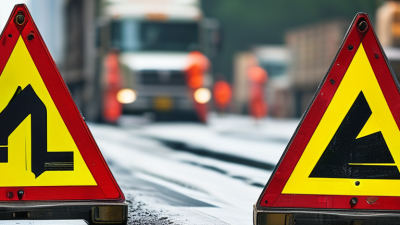
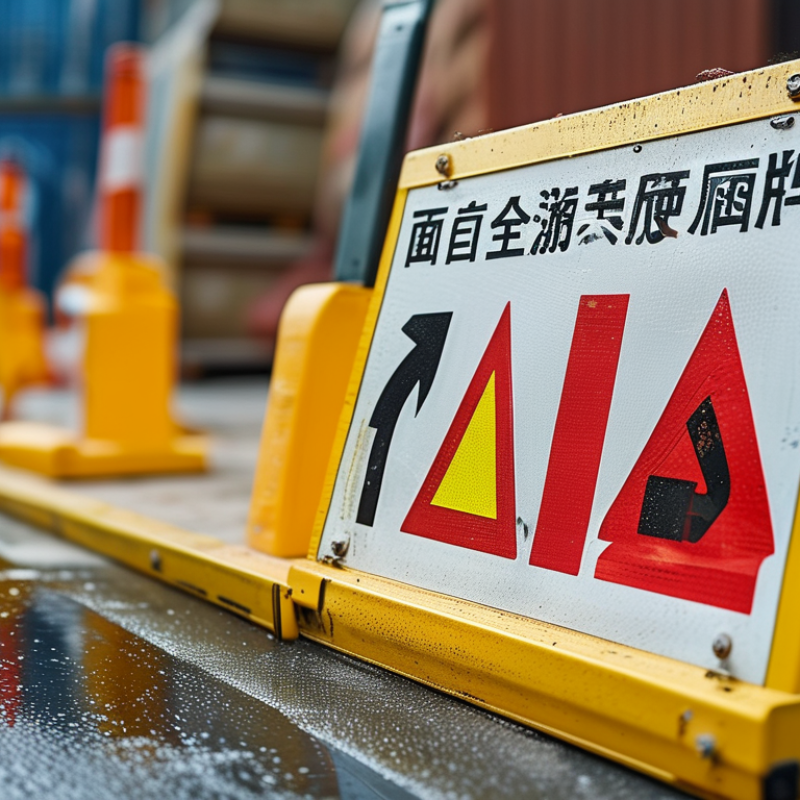
Arrow warning boards are visual safety devices that direct attention toward a changing route or hazard. They usually feature reflective arrows, flashing lamps, or LED modules. Some models are fixed to vehicles, while others stand on portable frames. Their purpose is simple: communicate direction quickly, especially when drivers or workers have limited time to react.

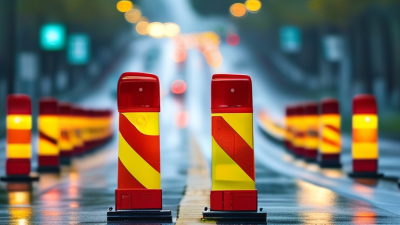
These boards appear near road maintenance areas, lane changes, parking entrances, factory yards, warehouses, and event traffic zones. A bright arrow can guide vehicles around a closed lane. A reflective board may work better where power access is limited. In dusty outdoor locations, sealed housings and strong mounting points matter. However, the brightest board is not always the safest choice. Excessive glare can distract drivers at night.

Tips: Check the arrow size, viewing distance, power source, weather resistance, and mounting method before buying. Confirm that the design matches local traffic guidance and workplace safety requirements. Ask for lighting tests and product dimensions. Small details matter.

Global buyers should also compare battery life, solar charging performance, replacement parts, and instruction quality. Clear manuals reduce installation mistakes. A board may look durable but fail if its connectors are exposed to rain. This is an easy detail to miss. Before purchase, test the board from different angles and in both daylight and darkness. Reliable warning equipment should remain visible, stable, and understandable without extra explanation.

7 Best Arrow Warning Boards for Global Buyers

What Arrow Warning Boards Are and Where They Are Used

Arrow warning boards are portable traffic-control devices that use illuminated arrow patterns to guide drivers through lane closures, roadworks, incident zones, and temporary traffic changes. The chart compares the face area of common U.S. MUTCD arrow-board classes: Type A is generally used for low-speed urban work, while Types B and C provide larger displays for higher-speed roads and freeways. Dimensions and approval requirements vary by country, so global buyers should confirm local traffic regulations before purchasing.

Key Safety Standards for Arrow Warning Boards in Global Markets

7 Best Arrow Warning Boards for Global Buyers

Key Safety Standards for Arrow Warning Boards in Global Markets

Arrow warning boards must communicate quickly in rain, glare, dust, and night traffic. Visibility matters. Buyers should check photometric performance, not only LED brightness. The arrow should remain clear from the required viewing distance and angle. Amber lighting is widely used for road warnings, but local authorities may require specific colors, flash patterns, or arrow shapes. These details vary by market. A board accepted in one country may need changes elsewhere.

For European projects, EN 12966 can guide requirements for variable message signs, including visibility, environmental performance, and electrical safety. In the United States, buyers often review MUTCD requirements for temporary traffic control devices. Other regions may reference national road agency rules, EMC limits, and electrical protection standards. Look for tested ingress protection, such as a suitable IP rating, when the board will face heavy rain or road spray. Check operating temperature, battery safety, mounting strength, and cable protection. A readable label should show voltage, model data, and test information. It sounds basic.

Field experience shows that mounting height and viewing angle can matter as much as lamp output. A poorly aimed board may disappear behind a truck or reflect sunlight unevenly. Ask suppliers for test reports, installation instructions, and sample viewing images. Do not rely on a certificate alone. Standards change, and documents may not reflect the final design. Independent verification is still worthwhile, especially for cross-border procurement.

Seven Arrow Warning Board Types for Different Traffic Conditions

7 Best Arrow Warning Boards for Global Buyers

Seven Arrow Warning Board Types for Different Traffic Conditions

Arrow warning boards should match the movement drivers must make, not merely the road layout. A straight-ahead arrow suits open lanes with steady traffic and clear visibility. Left-turn and right-turn arrows guide vehicles near junctions, ramps, and narrow urban streets. Their angle should remain readable from a safe stopping distance.

Chevron arrow boards help drivers follow sharp bends, especially on mountain roads or dark curves. Merge arrows warn traffic when two lanes become one. Lane-reduction arrows are useful where construction, parked vehicles, or damaged pavement removes a lane.

Detour arrows direct drivers around closures, temporary works, or blocked access. Flashing arrow boards attract attention where congestion changes quickly, but brightness must not overwhelm drivers at night.

Material choice matters. High-reflectivity faces improve recognition under headlights, while durable frames resist rain, dust, and strong wind. Field checks should examine viewing distance, mounting height, edge visibility, and battery performance. Small details matter.

A daytime design can fail after sunset. That deserves honest testing.

Global buyers should compare fixed, folding, and portable structures for each traffic condition. Local sign standards, road speed, climate, and maintenance capacity also influence the correct choice. No single arrow board performs perfectly everywhere, and treating it as universal is a costly assumption.

How to Evaluate Visibility, Durability, Power, and Installation

7 Best Arrow Warning Boards for Global Buyers

How to Evaluate Visibility, Durability, Power, and Installation

01 A reliable arrow warning board must remain clear in daylight, rain, dust, and darkness. Start by checking LED intensity, beam angle, contrast, and viewing distance. A narrow beam may look bright straight ahead but disappear from the side. Amber or red arrows should remain distinct against the background. Test the board from different heights and road angles, not only in a showroom.

02 Durability depends on more than an IP rating. Examine the enclosure material, lens strength, UV resistance, corrosion protection, and mounting points. Ask for temperature, vibration, and water-ingress test records. In field use, loose brackets often cause trouble before the electronics fail.

I once underestimated wind loading on a temporary frame. The board worked well, but the support needed reinforcement. That mistake changed my inspection checklist.

03 Power selection should match the operating environment. Compare voltage tolerance, current draw, battery capacity, charging time, and low-power protection. Solar models need realistic sunlight data, especially during long cloudy periods.

04 For wired units, confirm cable length, connector sealing, fuse access, and polarity markings. Installation should be practical for local crews. Look for adjustable brackets, clear wiring diagrams, replaceable parts, and common tools.

No checklist is perfect. A small on-site trial can reveal glare, poor balance, or difficult access that product photos never show.

Choosing the Right Arrow Warning Board for Your Project and Region

Choosing the Right Arrow Warning Board for Your Project and Region

The best arrow warning board depends on road speed, work-zone length, weather, and local traffic rules. The World Health Organization reported about 1.19 million road deaths worldwide in 2021. Clear temporary warnings remain essential. In the United States, the Federal Highway Administration recorded 891 work-zone fatalities in 2022. These figures show why brightness, viewing distance, and dependable operation matter.

Start with the regional standard.

U.S. projects commonly follow the Manual on Uniform Traffic Control Devices, while European projects may require compliance with EN 12966 or related national rules. Confirm requirements with the road authority. A board designed for one market may not satisfy another. Check arrow dimensions, amber color, flash patterns, mounting height, and language. Simple details matter.

Match the board to the site.

High-speed roads need large, high-output LEDs and a wide viewing angle. Urban projects may need compact panels with dimming controls. Outdoor units should resist rain, dust, vibration, and temperature changes; an IP rating helps compare protection levels. Battery capacity should cover the full shift, not an ideal test day. It is easy to underestimate charging time. Field teams often discover that poor mounting causes more visibility problems than weak LEDs. Review transport weight, spare parts, control access, and inspection records before ordering. Some projects need advanced features, but extra functions can create new maintenance risks.

Go to Top