Why Choose Hex Flange Head Screw for Your Projects?
In the realm of construction and manufacturing, choosing the right fasteners can significantly impact project success. The Hex Flange Head Screw is gaining traction due to its unique advantages. According to a 2022 report by Fastener Technology International, the demand for hex flange screws has increased by 15% in the past year. This rise highlights their growing importance in various industries, including automotive and aerospace.
Hex Flange Head Screws offer enhanced load distribution due to their larger bearing surface. This prevents damage to softer materials and ensures a secure fit. Moreover, their integrated flange provides increased resistance against loosening. A study from the American Fastener Journal noted that improper fastening can lead to equipment failure, costing industries millions annually. Using Hex Flange Head Screws can mitigate these risks effectively.
Yet, despite these advantages, some professionals overlook them for standard screws. This decision can lead to inefficiencies. A better understanding of the benefits and proper uses of Hex Flange Head Screws is essential for driving project successes. Making informed choices ensures projects stay within budget and timeline constraints while achieving quality outcomes.
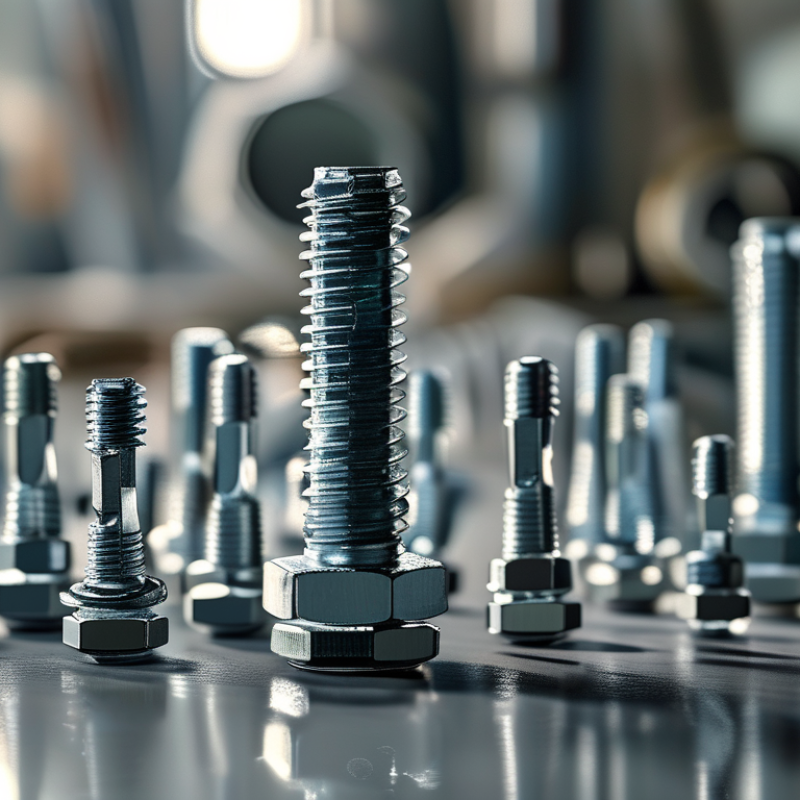
Advantages of Using Hex Flange Head Screws in Mechanical Applications
Hex flange head screws are increasingly favored in mechanical applications due to their unique design and functionality. The flange provides a larger bearing surface compared to standard screws, which enhances load distribution. According to a report by the Fastener Quality Act, this design reduces the risk of loosening, which is particularly beneficial in high-vibration environments.
Using hex flange head screws simplifies assembly. The increased surface area allows for easier torque application, leading to better fastening efficiency. A study from the Industrial Fasteners Institute indicates that proper torque with these screws can improve joint integrity by up to 30%. This can be crucial in applications ranging from automotive to heavy machinery, where safety and durability are paramount.
**Tip:** Always check for compatibility with your application. Material selection matters, as some environments may require corrosion resistance.
While hex flange head screws offer clear advantages, they might not fit all scenarios. In tight spaces, standard screws may be more effective. Evaluate your project needs carefully to avoid design flaws.
**Tip:** Regularly inspect installed screws to ensure performance remains optimal. A proactive approach can prevent costly repairs down the line.
Material Strength and Durability: Key Factors in Screw Selection
When selecting screws for your projects, material strength and durability play a crucial role. A hex flange head screw offers unique advantages. Its design distributes loads over a larger area, helping prevent damage to materials. This feature is particularly beneficial in high-stress applications such as automotive or structural projects.
Metal choices for these screws vary significantly. Stainless steel provides excellent resistance to corrosion, ideal for outdoor use. Alternatively, carbon steel offers strength at a lower cost, making it suitable for less demanding environments. Each material has its pros and cons. Understanding these differences is essential for making informed choices.
Project demands often evolve, revealing unexpected challenges. A hex flange head screw can adapt to many situations. Its compatibility with different materials allows for greater flexibility. However, if the wrong type is chosen, it can lead to failures. Regularly reassessing your screw types based on project needs is necessary for ongoing success.
Hex Flange Head Design: Enhancing Load Distribution and Stability
The hex flange head design is gaining popularity in various projects for its unique benefits. This type of screw features a wide circular flange that evenly distributes load. This characteristic helps reduce the likelihood of material damage, especially when securing softer surfaces like plastics or thin metal sheets.
Stability is a crucial factor in construction and assembly. The flange increases surface contact, enhancing grip and reducing the chances of loosening over time. Many professionals appreciate this feature, as it fosters long-lasting connections. However, some may find that the wider head can limit usage in tight spaces. This consideration must be factored into project planning.
Another aspect to reflect on is the installation process. While hex flange head screws offer significant advantages, they require proper alignment to ensure optimal performance. Misalignment can lead to ineffective load distribution, resulting in potential failures. Taking the time to understand the nuances of this design can ultimately lead to more robust and stable assemblies.
Industry Standards and Specifications for Hex Flange Head Screws
Hex flange head screws are widely used in various industries due to their unique design and benefits. The flange provides a larger bearing surface, which helps distribute the load effectively. This design minimizes the potential for damage to the materials being fastened. When employing these screws, it's essential to adhere to industry standards.
Standards for hex flange head screws vary by application and region. For instance, the American National Standards Institute (ANSI) outlines criteria for many fasteners. Additionally, the International Organization for Standardization (ISO) sets global specifications. These guidelines ensure that the screws meet performance and safety requirements. It’s crucial to select screws that comply with these standards for reliability.
While hex flange head screws are advantageous, they do have limitations. For instance, their design makes them unsuitable for certain applications that require a lower profile. In some cases, they might not provide the same aesthetic appeal as other fasteners. Reflecting on these aspects can help engineers choose the right fastener. Understanding both the strengths and weaknesses ensures your project runs smoothly.
Cost Efficiency and Performance: Why Hex Flange Screws Are a Smart Choice
Hex flange head screws have emerged as a preferred choice in various projects due to their cost efficiency and reliable performance. These screws feature a wide flange beneath the head, which distributes load and reduces the risk of damage to your materials. This design makes them particularly effective for use in softer materials, where traditional screws might cause surface indentation or bending.
Using hex flange screws can simplify assembly processes. The larger surface area provides better grip, which enhances fastening strength. This can lead to fewer failures and repairs over time. However, some users find them challenging to remove. The hex head can strip under excessive torque, making extraction difficult. Proper installation techniques are vital here.
Transitioning from standard screws to hex flange options could also influence budget considerations. While initial costs may be similar, long-term savings arise from their durable performance. Fewer replacements mean reduced expenses. Nonetheless, not all projects may benefit equally from their use. It's crucial to evaluate project-specific needs carefully before making a decision.