Essential Tips for Using Ratchet Strap Ratchet Effectively?
When it comes to securing loads, the Ratchet Strap Ratchet is an essential tool. Many people underestimate its significance. Using it improperly can lead to damage or accidents. Understanding how to use ratchet straps effectively is critical for safety and efficiency.
A ratchet strap can be tricky. It consists of a strap and a ratcheting mechanism. Mastering this tool promotes confidence in securing items. Improper use, however, can cause frustration and even result in injuries. Knowing the basics ensures a smooth experience.
Always check the strap for wear. A damaged ratchet strap can fail during use. Take the time to familiarize yourself with the ratchet mechanism. Practice makes perfect, and observing mistakes helps improve your technique. Being aware of these elements leads to confident and safe usage.
Understanding the Components of a Ratchet Strap
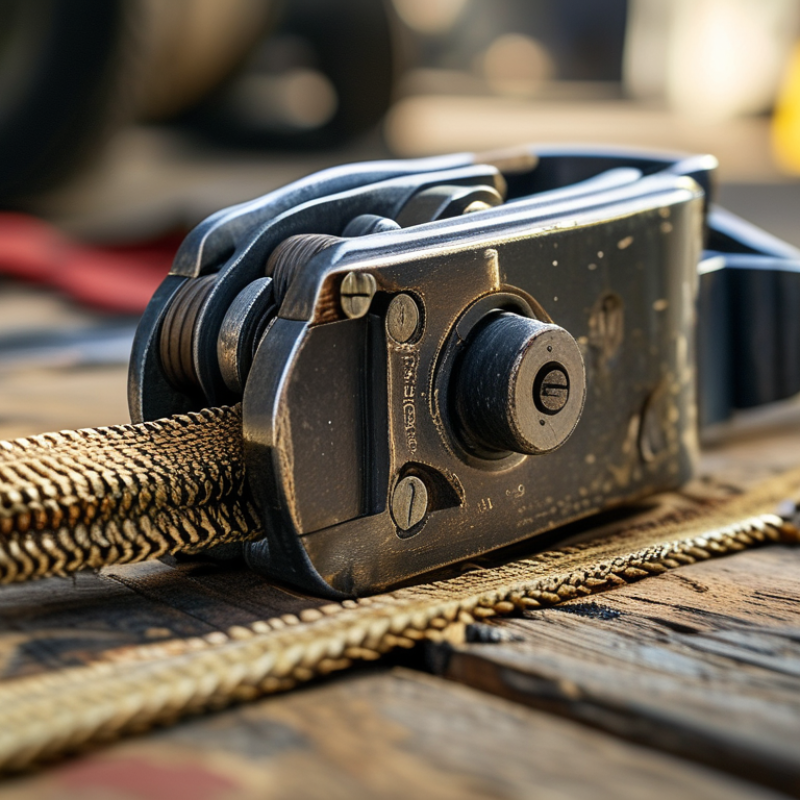
Understanding the components of a ratchet strap is crucial for effective use. A ratchet strap primarily consists of three significant parts: the strap, the ratchet mechanism, and the hooks. The strap is typically made from polyester, known for its strength and durability. Data from the National Institute for Occupational Safety and Health indicates that improper use of tie-down straps results in thousands of accidents annually. Understanding how each component works can help prevent such incidents.
The ratchet mechanism provides tension, allowing for secure loads. It requires proper operation to function effectively. Misalignment of the ratchet teeth can cause slippage, compromising load integrity. Some users struggle with tabbing straps when excessive force is applied. This often leads to premature wear. Attention to detail here can make a vital difference. Research shows that nearly 30% of load-related injuries stem from inadequate tie-down practices. Users must inspect the hooks and ensure they are free from rust or damage.
Effective use requires more than just understanding components. Proper training is essential. For instance, knowing how to load evenly can significantly extend the lifespan of a strap. Yet, many users lack this training. This gap can be alarming. Ensuring the right fit for the load size cannot be overlooked. It affects both safety and performance. Always consider the working load limit. This awareness is key for reliable securing.
Selecting the Right Ratchet Strap for Your Needs
Selecting the right ratchet strap is crucial for safety and efficiency. A variety of factors determine the best choice. Consider the weight of the load. According to the National Institute of Occupational Safety and Health (NIOSH), improperly secured loads contribute to 26% of transport-related injuries. Using the correct strap can significantly reduce these risks.
Material and design play key roles too. Polyester straps are popular due to their strength and stretch resistance. A recent industry report shows that properly rated straps can withstand loads of up to 5,000 pounds. This is vital for transporting items like heavy machinery or large pallets. Always check the strap’s working load limit (WLL) to ensure compatibility with your needs.
Additionally, evaluate strap width and length. Wider straps distribute pressure better, reducing the risk of damage to your cargo. For instance, a 2-inch strap offers more stability than a 1-inch one. However, longer straps can lead to excess slack, which may cause shifting during transit. Finding the balance is essential. Don't overlook these details; they could mean the difference between safe transport and potential accidents.
Proper Techniques for Threading and Tightening Ratchet Straps
When using ratchet straps, proper techniques for threading and tightening are crucial. Begin by threading the strap through the ratchet's spool. Ensure the strap is not twisted; this will help maintain the integrity of the load. Keep the ratchet flat and stable as you pull the strap through. It’s essential to check that the strap is aligned before proceeding.
Tightening the strap effectively requires attention to detail. Grip the ratchet handle firmly, and turn it with steady pressure. Watch for any slack that may develop and adjust accordingly. A common mistake is to over-tighten and subsequently damage the strap. Regularly inspecting the strap for wear and fraying can prevent accidents. Evaluate the load and make adjustments as needed.
Achieving the right tension takes practice. Sometimes, you may accidentally let the strap slip during tightening. Learning from these small errors is part of mastering the technique. Always ensure that the load is secure, and never rush the process. Engaging in consistent practice can help improve your skills over time.
Safety Tips to Prevent Load Shifting and Damage
Using ratchet straps effectively requires attention to safety. Many accidents occur due to improper securement, causing load shifting. According to the National Institute for Occupational Safety and Health, improper securing causes nearly 20% of truck-related injuries. This statistic emphasizes the need for proper techniques.
One effective method is to ensure straps are tight but not overly tightened. Over-tightening can damage the cargo. It can also lead to strap failure. Regularly inspect straps for wear, fraying, or other damage. Even small wear can compromise their strength. A study by the American Society of Safety Engineers indicates that regular inspections can reduce incidents by over 30%.
Load distribution is critical. Evenly distribute weight and use multiple straps for larger loads. This helps maintain stability during transport. Reports suggest that improper load distribution can lead to losses exceeding $1 billion annually in the transportation industry. Each transport should consider the specific load and environmental factors. Failing to address these can lead to costly accidents and damage.
Load Security with Ratchet Straps
In this chart, we evaluate the effectiveness of different safety tips for using ratchet straps. Higher ratings indicate greater importance in preventing load shifting and damage during transport.
Maintaining and Storing Ratchet Straps for Longevity
Maintaining ratchet straps properly ensures they last longer and remain effective. A report by the National Association of Trailer Manufacturers indicates that poorly maintained straps can fail in up to 20% of cases. This emphasizes the importance of regular inspection. Look for signs of wear, such as frayed edges or rusted parts. If you notice any damage, it’s safer to replace the strap immediately.
When it comes to storage, keep ratchet straps dry and clean. Moisture can lead to mold and rust. A cool, dark place is ideal. Avoid exposing straps to direct sunlight for extended periods. This can degrade the material over time.
Tips for longevity include rolling straps instead of folding them. This helps prevent creases that can weaken the fabric. Always store them in protective containers to avoid tangles and exposure to harsh environments. Consider labeling your straps for easy identification based on length and strength. Good storage practices lead to better performance. Remember, even small actions today can extend the life of your equipment.